Table of Contents
Ensuring Safety on Your Seattle Installation Project
As a homeowner in the vibrant Seattle area, from the bustling cityscape to the more suburban charm of neighborhoods like Lynnwood, undertaking home improvement projects, especially those involving significant installations like new windows, roofing, or HVAC systems, can be both exciting and daunting. While the promise of a refreshed living space or improved functionality is appealing, the paramount concern for any responsible homeowner must be safety. Ensuring that contractors diligently adhere to proper safety protocols throughout the installation process is not just about preventing accidents on your property; it’s about protecting the workforce, your family, your neighbors, and your investment.
The Pacific Northwest, with its unique weather patterns and active construction industry, presents its own set of challenges. Heavy rain, strong winds, and the prevalence of steep roofs in many Seattle-area homes necessitate a heightened awareness of potential hazards. Furthermore, the intricate nature of many installations means that specialized equipment, power tools, and potentially hazardous materials are often involved. Therefore, proactively addressing safety with your chosen contractor is a critical step in safeguarding your project and your peace of mind.
Due Diligence Begins Before Signing
The foundation of a safe installation is laid long before the first tool is unboxed. Thorough vetting of potential contractors is an essential first step. Look for established companies with a strong reputation within the Seattle and Lynnwood communities. Online reviews, testimonials, and word-of-mouth referrals can offer valuable insights into a contractor’s commitment to safety. Don’t hesitate to ask for references from past clients, especially those who undertook similar projects, and follow up with them. Inquire specifically about their experience with the contractor’s safety practices.
A reputable contractor will readily provide proof of their insurance coverage. This includes general liability insurance, which covers damages to your property, and workers’ compensation insurance, which protects their employees in case of injury on the job. Request to see certificates of insurance and verify their validity. This protects you from financial and legal repercussions should an accident occur.
The Crucial Role of Contracts and Communication
Once a contractor is selected, the contract itself is a vital document for codifying safety expectations. While it might seem overly cautious, explicitly outlining safety protocols within the contract is a wise practice. This might include stipulations regarding site preparation, personal protective equipment (PPE) requirements for workers, proper disposal of materials, and adherence to all relevant local and state building codes and safety regulations. A contractor who balks at such specific language may not be prioritizing safety as highly as they should.
Open and consistent communication is the cornerstone of a safe and successful project. Before the work commences, schedule a pre-installation meeting with your contractor. This is the opportune moment to discuss safety expectations in detail. Reiterate your concerns and ask direct questions about their safety plan. This discussion should cover how they plan to secure the work area, protect your landscaping and home exterior, manage potential debris, and ensure the safety of their team, especially when working at heights or with power equipment.
On-Site Safety Measures and Oversight
During the installation process, maintaining a watchful eye is crucial, though not in a way that micromanages the crew. Observe the site regularly. Are the workers wearing appropriate PPE, such as hard hats, safety glasses, gloves, and fall protection when necessary? Is the work area kept reasonably clean and free of tripping hazards? Are tools and materials stored securely? Are power cords managed properly to prevent electrical hazards?
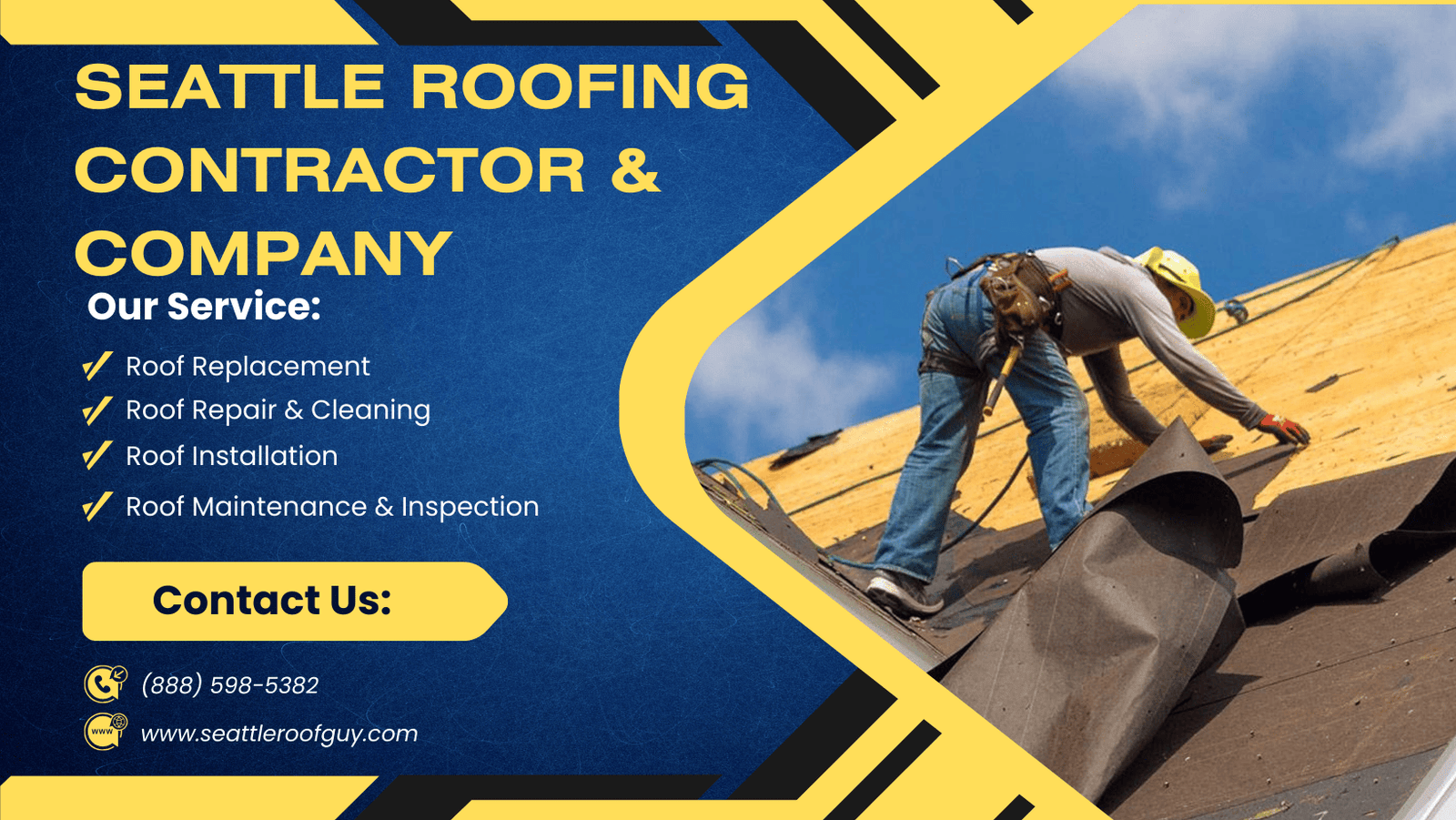
When it comes to working at heights, a significant concern for Seattle-area homes with their often sloped roofs, inquire about their fall protection measures. This should include secure scaffolding, guardrails, and proper use of safety harnesses and anchors. For window installations, ensure that glass is handled with care and that any necessary bracing or support is in place before removal and after installation.
The contractor should have a designated safety officer or supervisor on site who is responsible for overseeing safety practices. This individual should be the point person for any safety-related questions or concerns you may have. If you witness any unsafe practices, it is imperative to address them immediately with the contractor’s representative. A professional contractor will welcome constructive feedback and take immediate steps to rectify any safety issues.
Furthermore, understand that weather can significantly impact safety. A responsible contractor will not push through hazardous conditions. They should be willing to pause or reschedule work during severe weather, such as heavy rain, high winds, or icy conditions, especially if it compromises the integrity of their work or the safety of their crew.
Post-Installation Safety Considerations
Safety doesn’t end when the tools are put away. Ensure that the work area is thoroughly cleaned and free of debris, nails, and other potential hazards. If old materials were removed, confirm that they have been disposed of responsibly and in accordance with local regulations. For larger projects, a final walkthrough with the contractor to identify any remaining hazards or cleanup needed is a good practice.
Educating yourself about the specific safety requirements of your installation project is also empowering. For example, if you’re having solar panels installed, understanding the safety protocols for working with electricity is beneficial. If it’s a new deck, awareness of structural integrity and safe railing installation is key.
By taking a proactive, informed, and communicative approach, Seattle and Lynnwood homeowners can significantly enhance the likelihood that their home improvement installations are conducted with the utmost attention to safety. It’s an investment in the longevity of your project, the well-being of those involved, and the overall security of your home environment.
Frequently Asked Questions
What insurance coverage should a contractor have for my installation project in Seattle?
A reputable contractor should carry general liability insurance to cover property damage and workers’ compensation insurance to protect their employees. Always ask for proof of these coverages.
How can I verify a contractor’s safety record?
Ask for references from past clients who have had similar projects completed. You can also check online reviews and inquire about any safety awards or certifications the company holds.
What should I look for in a contractor’s contract regarding safety?
The contract should ideally include specific clauses about safety protocols, such as requirements for PPE, site security, waste disposal, and adherence to building codes.
What are some common safety hazards during home installations in the Seattle area?
Common hazards include working at heights (especially on sloped roofs), electrical hazards, improper handling of tools and materials, and tripping hazards due to debris.
How should I address a safety concern with my contractor during the installation?
Communicate your concerns directly and promptly to the contractor’s supervisor or site manager. A professional contractor will take your feedback seriously and address any issues immediately.
When should a contractor pause or reschedule work due to weather?
Contractors should be cautious and willing to pause or reschedule work during severe weather conditions like heavy rain, high winds, or icy conditions, as these can compromise safety and the quality of the installation.
What personal protective equipment (PPE) should I expect the workers to use?
Workers should be using appropriate PPE for their task, which can include hard hats, safety glasses, gloves, sturdy footwear, and fall protection equipment when working at heights.
What steps should be taken for site cleanup after the installation is complete?
The contractor should thoroughly clean the work area, removing all debris, nails, and potential tripping hazards. Ensure proper disposal of all removed materials.
Request Emergency Help
Ready to restore your roof’s protection? Dial (888) 598-5382 now for expert guidance. Prepare your ZIP code beforehand to connect with our closest service professionals efficiently.