Table of Contents
The Long-Term Investment A New Roof Replacement for SeaTac Properties
For homeowners and property managers in SeaTac, the roof is more than just an overhead covering; it is a crucial component that protects not only the living spaces below but also the integrity of the entire building structure, especially the attic. A well-maintained roof is an investment in the long-term health and value of a property. Conversely, neglecting roof maintenance can lead to a cascade of problems that extend far beyond a leaky ceiling, significantly impacting the attic structure. This article explores how a new roof replacement in SeaTac properties ensures the long-term health of the attic structure, discussing the critical role a sound roof plays and the benefits of opting for a professional replacement.
Understanding the Attic Structure and Its Vulnerabilities
The attic, an often-overlooked space in a home, plays a vital role in a building’s overall structural integrity and energy efficiency. It acts as a buffer zone between the living areas and the exterior elements, helping to regulate temperature and humidity. However, attics are particularly vulnerable to moisture intrusion, which can originate from various sources. These include leaks in the roofing material, inadequate ventilation, and condensation from within the home. If these issues are left unaddressed, the consequences can be severe and far-reaching, impacting the wooden beams, trusses, and sheathing that form the attic’s framework.
The wooden components of the attic are susceptible to rot and decay when exposed to prolonged moisture. This can begin with surface dampness and, over time, penetrate deeper into the wood, weakening its structural capacity. Furthermore, moisture can create an environment conducive to mold and mildew growth, which not only compromises the air quality within the home but can also further degrade the wooden elements and insulation. Pests, such as rodents and insects, are also attracted to damp, decaying wood, adding another layer of structural threat.
The Roof’s Direct Impact on Attic Health
The roof is the primary barrier protecting the attic from the elements. Shingles, underlayment, flashing, and gutters all work in conjunction to direct water away from the structure. When roofing materials begin to fail, water can find its way into the attic. This can happen through cracked or missing shingles, deteriorated flashing around chimneys and vents, or clogged gutters that cause water to back up under the eaves. Even small, persistent leaks can lead to significant damage over time.
Beyond direct leaks, the roof also plays a critical role in attic ventilation. Proper ventilation allows hot, moist air to escape the attic, preventing condensation buildup. Without adequate airflow, the temperature inside the attic can become extremely high during the summer, leading to expansion of building materials and potential damage. In the winter, trapped moisture can freeze and thaw, exacerbating any existing damage and creating ice dams that can force water under shingles and into the attic space. A compromised roof, therefore, directly undermines the attic’s ability to remain dry, well-ventilated, and structurally sound.
Signs of Roof Issues Affecting the Attic
Recognizing the early warning signs of roof problems that are impacting the attic is crucial for preventing more extensive and costly repairs. One of the most obvious indicators is visible water damage or stains on the attic’s ceiling or underside of the roof decking. This suggests a leak that has progressed beyond the initial layers of the roofing system.
Another sign is the presence of mold or mildew in the attic. This indicates persistent moisture and poor air circulation. You might also notice sagging areas in the attic’s sheathing or the appearance of rot and decay on the wooden beams and rafters. In wetter climates or during winter months, ice dams forming on the roof edges are a strong indicator that water is not being properly shed and may be seeping into the attic space. Obvious signs of wear and tear on the shingles, such as curling, cracking, or missing pieces, also point to potential entry points for water. Even a musty or damp odor emanating from the attic can signal underlying moisture issues.
The Benefits of a Professional Roof Replacement for Attic Longevity
Opting for a professional roof replacement is a proactive and essential step in safeguarding the long-term health of the attic structure in SeaTac properties. A new roof, installed by experienced professionals, provides a robust and impermeable barrier against the elements, effectively preventing water intrusion. This immediately eliminates a primary source of moisture that can lead to rot, mold, and pest infestation in the attic.
Modern roofing systems also incorporate advanced underlayment materials and ventilation solutions that are far superior to older technologies. High-quality underlayment acts as a secondary water barrier, offering additional protection even if shingles are damaged. Furthermore, a professional installation ensures that the attic’s ventilation system is optimized, allowing for consistent airflow. This prevents the buildup of heat and moisture, which are detrimental to the structural integrity of the wooden components within the attic.
Beyond the direct protective benefits, a new roof replacement contributes to the overall structural stability of the entire house. A sound roof properly distributes weight and forces, preventing undue stress on the attic framing. This is particularly important in areas prone to seismic activity or strong winds, where the roof’s integrity is paramount for anchoring the building and preventing catastrophic failure. Moreover, a new roof significantly enhances a property’s energy efficiency by improving insulation performance and preventing heat loss or gain through the attic, leading to lower utility bills and a more comfortable living environment.
The Process of Roof Replacement and Attic Inspection
A professional roof replacement is a comprehensive process that typically begins with a thorough inspection of the existing roof and the attic space. Reputable roofing contractors will not only assess the condition of the shingles but also examine the underlying sheathing, rafters, and ventilation system. This detailed inspection allows them to identify any pre-existing damage within the attic that may require immediate attention.
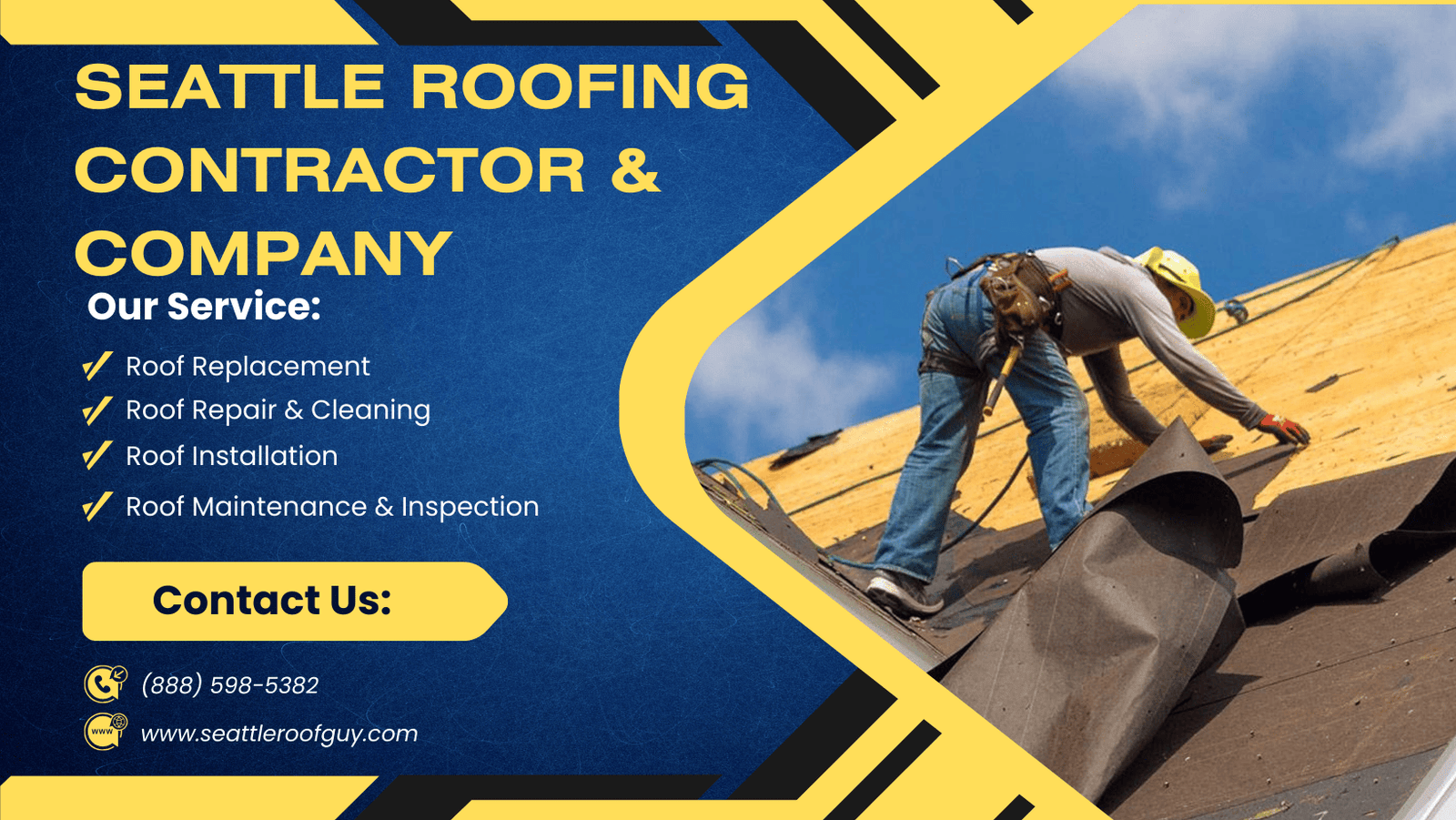
During the replacement, old roofing materials are completely removed, exposing the roof deck. This is a critical opportunity for the roofing crew to inspect the condition of the wooden decking. Any damaged or rotted sections are repaired or replaced, ensuring a solid foundation for the new roofing system. The installation of new underlayment, followed by the chosen roofing material (such as asphalt shingles, metal, or tile), creates a watertight seal. Crucially, the process also includes ensuring proper flashing around penetrations and at roof edges, as well as the installation or upgrade of ventilation components like ridge vents or soffit vents. This coordinated approach, from inspection to installation, guarantees that the attic is protected not only from immediate water damage but also from future moisture-related issues, thereby securing its long-term structural health.
Investing in SeaTac Property Value and Longevity
A new roof replacement is not merely an expense; it is a significant investment in the long-term value and longevity of any SeaTac property. A well-executed roof replacement protects the most vulnerable part of the home’s structure – the attic – from the damaging effects of moisture, rot, and decay. This, in turn, prevents secondary issues like mold growth, pest infestations, and structural weakening, all of which can drastically reduce property value and lead to extensive repair costs down the line.
Furthermore, a visually appealing and structurally sound roof significantly enhances curb appeal, making the property more attractive to potential buyers. It demonstrates a commitment to maintenance and quality, which are highly valued in the real estate market. In essence, a new roof replacement is a proactive measure that ensures peace of mind, enhances the comfort and safety of the living space, and ultimately contributes to the sustained financial health of the property for years to come.
Frequently Asked Questions About Roof Replacement and Attic Health
What are the first signs of water damage in the attic due to a failing roof?
The first signs often include water stains or discoloration on the attic’s ceiling or the underside of the roof sheathing, a musty or damp odor, and visible mold or mildew growth. You might also notice damp insulation.
How does poor attic ventilation contribute to roof and attic damage?
Poor ventilation traps hot, moist air. In the summer, this can lead to excessive heat buildup that degrades roofing materials and insulation. In the winter, it causes condensation, which can freeze and thaw, leading to rot in wooden structures and ice dams that push water under shingles.
Can a small roof leak cause significant attic damage?
Yes, even small, persistent leaks can cause substantial damage over time. The constant exposure to moisture can lead to rot in wooden beams and sheathing, foster mold growth, and attract pests, compromising the structural integrity of the attic.
How long does a typical professional roof replacement take?
The duration varies depending on the size and complexity of the roof, but a typical residential roof replacement can take anywhere from one to three days to complete.
What materials are commonly used in modern roof replacements?
Common materials include asphalt shingles (which are the most popular), metal roofing, tile roofing, and composite roofing materials. The choice often depends on aesthetics, durability, climate, and budget.
Does a new roof replacement improve a home’s energy efficiency?
Yes, a new roof, especially when combined with proper insulation and ventilation, significantly improves energy efficiency. It helps prevent heat transfer, keeping homes cooler in the summer and warmer in the winter, thus reducing energy costs.
What is the lifespan of a new roof?
The lifespan of a new roof depends on the materials used, the quality of installation, and local climate conditions. Asphalt shingles typically last 15-30 years, while metal or tile roofs can last 50 years or more.
Should I have my attic inspected before and after a roof replacement?
Yes, it is highly recommended. An inspection before helps identify existing attic issues that may need addressing during the roof replacement. An inspection afterward ensures that the new roof has been installed correctly and that the attic is now protected.
Call for Roof Inspection Now
Ready to restore your roof’s protection? Dial (888) 598-5382 now for expert guidance. Prepare your ZIP code beforehand to connect with our closest service professionals efficiently.