Table of Contents
Navigating the Storm Navigating the Storm
Seattle, a city renowned for its lush greenery and captivating waterfront, is also no stranger to the unpredictable fury of nature. While often associated with its persistent drizzle, the region can experience significant hail events that, despite their infrequent severity compared to other parts of the country, can wreak havoc on residential properties. For homeowners in areas like Lake Forest Park, where many residences feature charming, steep-slope roofs, hail damage presents a unique set of challenges for both property owners and the roofing professionals tasked with repairs.
Steep-slope roofs, characterized by their incline, offer aesthetic appeal and efficient water runoff. However, this very slope can make accessing and repairing hail-damaged sections more complex and potentially hazardous. Seattle roofers who specialize in steep-slope repairs bring a wealth of experience and specialized equipment to address these issues effectively. This article delves into how these skilled professionals approach hail damage on steep-slope roofs in and around Lake Forest Park, outlining the process from initial assessment to final restoration.
The Unique Challenges of Steep-Slope Hail Damage
Hail, regardless of its size, strikes with considerable force. On a flat or gently sloping roof, the impact might cause minor dents or surface abrasions. On a steep-slope roof, however, the consequences can be more pronounced. The angled surface means hail can strike with greater directness, potentially causing more significant damage like cracks, punctures, or the dislodging of shingles. The slope also introduces a critical safety element. Working at an angle significantly increases the risk of slips and falls, necessitating specialized safety gear and techniques that many general contractors may not possess.
Furthermore, the materials commonly used on steep-slope roofs, such as asphalt shingles, wood shakes, or metal panels, react differently to impact. Asphalt shingles can develop circular bruises or cracks, while wood shakes might split or splinter. Metal roofs, though durable, can be dented. Identifying the extent of this damage, especially when it’s subtle and spread across a large, steep expanse, requires a trained eye. The visual inspection alone is more demanding than on a low-slope roof.
The Seattle Roofer’s Approach to Steep-Slope Hail Repair
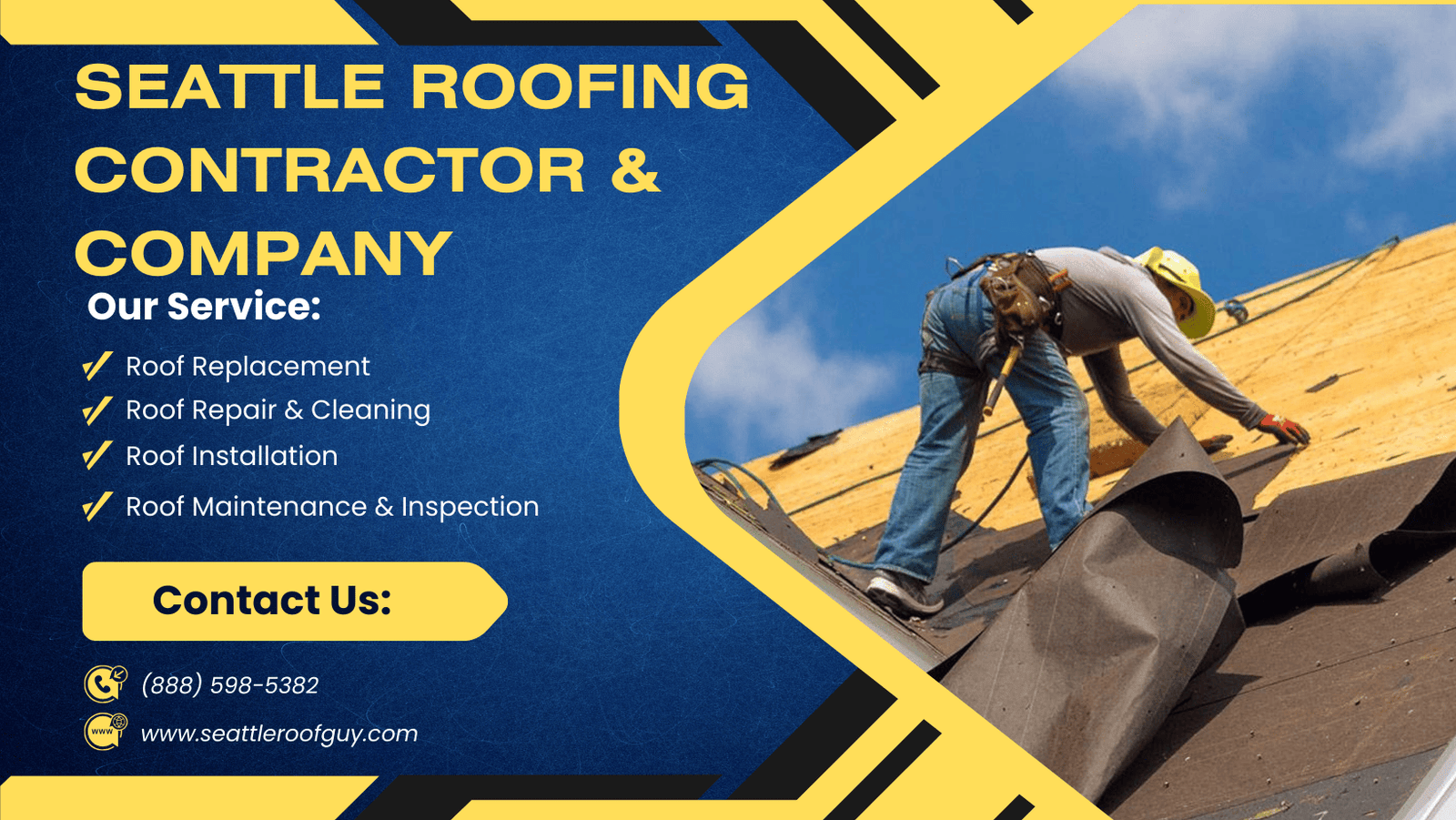
Seattle roofers in Lake Forest Park equipped to handle steep-slope hail damage follow a systematic and safety-conscious approach. Their process typically begins with a thorough inspection, which is far more involved than a casual glance from the ground. This often involves using specialized safety equipment such as harnesses, ropes, and scaffolding to ensure secure access to all areas of the roof, especially the steeper pitches.
During the inspection, experienced roofers meticulously examine each shingle or roofing panel for signs of hail impact. This includes looking for:
- Bruising or fracturing of the shingle granules
- Cracks or splits in the shingle material
- Dents or warping in metal roofing panels
- Loosened or displaced granules, which can indicate the underlying material is compromised
- Damage to flashing and seals around vents and chimneys, which are often vulnerable
Beyond the visible damage, a skilled roofer will also assess the underlying structure. Hail impacts can compromise the integrity of the roof deck and underlayment, creating potential entry points for water. Many roofers utilize specialized tools, like infrared cameras, which can detect moisture hidden beneath the roofing surface, revealing areas that have been compromised even if the damage isn’t immediately apparent.
Comprehensive Repair and Restoration Strategies
Once the full extent of the hail damage is assessed, Seattle roofers develop a comprehensive repair strategy tailored to the specific roofing materials and the severity of the damage. For asphalt shingle roofs, this often involves replacing individual damaged shingles. However, due to the difficulty of color-matching aged shingles, it’s sometimes recommended to replace entire sections or even the whole roof to ensure a uniform appearance and prevent future issues with mismatched aging patterns.
For wood shake roofs, repairs can be more labor-intensive. Damaged shakes are carefully removed and replaced with new ones, often requiring specialized tools to cut and fit the new material seamlessly. Metal roof repairs might involve patching dents, replacing damaged panels, or, in cases of extensive damage, a full roof replacement. The goal is always to restore the roof’s protective capabilities and its aesthetic appeal, ensuring it can withstand future weather events.
Communication with the homeowner is paramount throughout this process. Roofers provide detailed explanations of the damage, outline the proposed repair methods, and offer transparent cost estimates. They also assist homeowners with the insurance claims process, providing the necessary documentation and working with adjusters to ensure that the repair work is adequately covered.
The Importance of Prompt Action
Following a hail storm, prompt action is crucial. Small hailstones might not cause immediate leaks, but the damage can worsen over time, leading to water intrusion, mold growth, and structural deterioration. Seattle roofers in Lake Forest Park emphasize the importance of scheduling an inspection as soon as possible after a hail event. Early detection and repair not only prevent more extensive and costly damage in the long run but also help maintain the structural integrity and value of the home.
Moreover, insurance policies often have time limits for reporting hail damage. Delaying repairs can jeopardize an insurance claim, leaving homeowners responsible for the full cost of repairs. Therefore, homeowners should be proactive in seeking professional assessments and initiating the repair process without delay.
Choosing the Right Professional for Steep-Slope Roofs
When selecting a roofer in the Lake Forest Park area for steep-slope hail repairs, it’s essential to look for specialists with a proven track record in handling challenging rooflines. Key qualities to seek include:
- Experience with steep-slope roofing systems (e.g., high-pitch asphalt shingles, wood shakes, slate, metal)
- Proper licensing and insurance, including liability and worker’s compensation
- A strong safety record and demonstrated commitment to safety protocols
- Positive customer reviews and testimonials, particularly those mentioning steep-slope projects
- The ability to provide detailed, written estimates and warranties on their work
A reputable roofer will be transparent about their methods, materials, and timelines. They should be willing to answer all your questions and provide resources to help you understand the repair process. Investing in a qualified professional ensures that the repairs are performed correctly, safeguarding your home for years to come.
Conclusion
Hail damage on steep-slope roofs presents a distinct set of challenges, demanding specialized knowledge, equipment, and a steadfast commitment to safety. Seattle roofers serving Lake Forest Park and surrounding neighborhoods who are experienced in these complex repairs are vital assets to homeowners navigating the aftermath of a storm. By understanding the unique complexities of steep-slope roofing and employing meticulous inspection and repair strategies, these professionals ensure that homes are restored to their optimal protective and aesthetic condition, weathering future storms with confidence.
Frequently Asked Questions
What size hail typically causes damage to steep-slope roofs?
Even small hailstones, often the size of peas or marbles, can cause minor bruising and granule loss on asphalt shingles. Larger hailstones, ranging from dimes to golf balls and beyond, can cause more significant damage such as cracks, punctures, and the dislodging of shingles. The angle of the steep slope can sometimes exacerbate the impact force of hailstones.
How can I tell if my steep-slope roof has hail damage?
On asphalt shingles, look for circular bruises, cracks, or missing granules. On wood shakes, look for splits or splintering. Metal roofs may show dents. It’s also important to check for water stains on interior ceilings or walls, which might indicate compromised waterproofing. A professional inspection is the most reliable way to confirm damage.
Is it safe for me to inspect my steep-slope roof for hail damage?
No, it is generally not safe for a homeowner to inspect a steep-slope roof for hail damage. The incline presents a significant risk of slips and falls. Professional roofers use specialized safety equipment and training to access these roofs safely.
What is the difference in repair methods for hail damage on steep vs. low-slope roofs?
While the underlying damage (like granule loss or cracks) might be similar, the repair of steep-slope roofs is more complex due to access and safety concerns. Steep roofs often require specialized safety gear, scaffolding, and techniques for securing materials, making repairs more time-consuming and potentially more expensive than on low-slope roofs.
How long does it typically take to repair hail damage on a steep-slope roof?
The duration varies greatly depending on the extent of the damage and the roofing material. Minor damage might take a day or two for a few shingles. Extensive damage requiring replacement of multiple sections or an entire roof could take several days to over a week, especially on steep pitches where access is more challenging.
Should I repair individual hail-damaged shingles or replace the entire roof?
This depends on the severity and widespread nature of the damage. If only a few shingles are damaged and they can be color-matched, individual replacement may suffice. However, if the damage is extensive or if the shingles are old and difficult to match, replacing entire sections or the whole roof is often recommended for aesthetic consistency and long-term performance.
How do I choose a reputable Seattle roofer specializing in steep-slope hail repair?
Look for roofers with specific experience in steep-slope roofing systems, proper licensing and insurance, a good safety record, positive customer reviews (especially those mentioning steep roofs), and the ability to provide detailed estimates and warranties. Ask for references and check their credentials.
How does hail damage affect the lifespan of my steep-slope roof?
Hail damage can significantly shorten a roof’s lifespan. The impact can compromise the protective layers, leading to premature wear, granule loss, and increased susceptibility to water intrusion and further damage from subsequent weather events. Prompt repair helps mitigate this reduction in lifespan.
Call for Roof Inspection Now
Ready to restore your roof’s protection? Dial (888) 598-5382 now for expert guidance. Prepare your ZIP code beforehand to connect with our closest service professionals efficiently.