Table of Contents
The Silent Warning Signs Your Black Diamond Roof Needs Attention
As a homeowner in the picturesque region of Black Diamond, Washington, you understand the importance of protecting your investment. Your roof, arguably the most crucial element of your home’s defense against the elements, plays a vital role in maintaining structural integrity, energy efficiency, and overall comfort. The Pacific Northwest weather, with its frequent rain, wind, and occasional snow, can take a significant toll on roofing materials over time. However, many homeowners postpone or forget about essential roof inspections until a visible problem arises, often leading to more extensive and costly repairs. Identifying when a roof inspection is overdue is key to proactive maintenance and preventing minor issues from snowballing into major disasters.
Understanding the Lifespan of Your Roof
The lifespan of a roof is not a static number; it’s influenced by several factors. The primary determinant is the type of roofing material used. Asphalt shingles, the most common choice for many homeowners, typically last between 15 to 30 years. Metal roofs, known for their durability, can endure 40 to 70 years or even more. Wood shakes and shingles, while aesthetically pleasing, generally have a lifespan of 20 to 30 years. Beyond material, the quality of installation, the intensity of your local climate, and the degree of direct sun exposure all contribute to how long your roof will effectively protect your home. Even with quality materials and professional installation, roofs are not invincible. Regular assessments are crucial to ensure they are performing optimally.
Visible Indicators That Signal an Inspection is Needed
Your roof will often provide telltale signs that it’s time for a professional assessment. These are not always the dramatic leaks that flood your attic but rather subtle indicators that, if addressed promptly, can save you significant grief. One of the most common signs is the presence of curling, cracking, or blistering shingles. These are visual cues that the shingles are degrading and losing their protective capabilities. Pay attention to areas on your roof that appear to be thinning or where granular material is noticeably absent. This granule loss, often found in your gutters or downspouts, indicates the shingles are shedding their protective layer, compromising their ability to shed water effectively. Also, keep an eye out for missing or damaged shingles, especially after a strong windstorm. Even a single missing shingle can create a pathway for water intrusion.
The Subtle Signs You Might Be Missing
Beyond the obvious visual cues on the shingles themselves, other less apparent signs warrant a closer look. Interior evidence is particularly important. Any signs of water stains or discoloration on your ceilings or walls, especially in the upper floors or attic, are a strong indicator of roof leaks. These might start as small, isolated spots but can spread and worsen if left unaddressed. Mold or mildew growth in your attic or on the underside of your roof deck is another red flag, often pointing to persistent moisture issues. Warped or sagging roof decking, which might be visible from your attic, suggests structural damage and potential rot due to prolonged water exposure. Even excessive energy bills can sometimes be linked to roof problems. A compromised roof can lead to poor insulation and air leaks, causing your HVAC system to work harder to maintain a comfortable temperature.
Age as a Primary Factor for Inspection Scheduling
While visible and subtle signs are important, the age of your roof is arguably the most significant factor in determining when an inspection is due. As a general rule of thumb, most roofing systems should be inspected at least once every three to five years, regardless of apparent condition. However, as your roof approaches the latter half of its estimated lifespan, the frequency of inspections should increase. For instance, if you have asphalt shingles that are 10 years old, a biennial inspection (every two years) is advisable. If your roof is approaching 15 years or more, annual inspections become essential. This proactive approach allows professionals to identify potential issues before they become critical failures, especially in a region like Black Diamond that experiences varied weather conditions.
The Impact of Weather Events on Roof Integrity
Black Diamond homeowners are no strangers to the effects of weather. High winds can lift shingles, compromise flashing, and even dislodge entire sections of your roof. Heavy rain, especially when prolonged, can exacerbate existing weaknesses and lead to water penetration. Hailstorms, while less frequent, can cause significant damage by denting or cracking shingles, even if the damage isn’t immediately obvious. Snow accumulation, particularly ice dams, can force water under shingles and into the roof structure. Therefore, it’s crucial to schedule an inspection following any significant weather event. Even if you don’t observe obvious damage, a professional can identify subtle compromises that could lead to problems down the line.
Why Professional Inspections are Irreplaceable
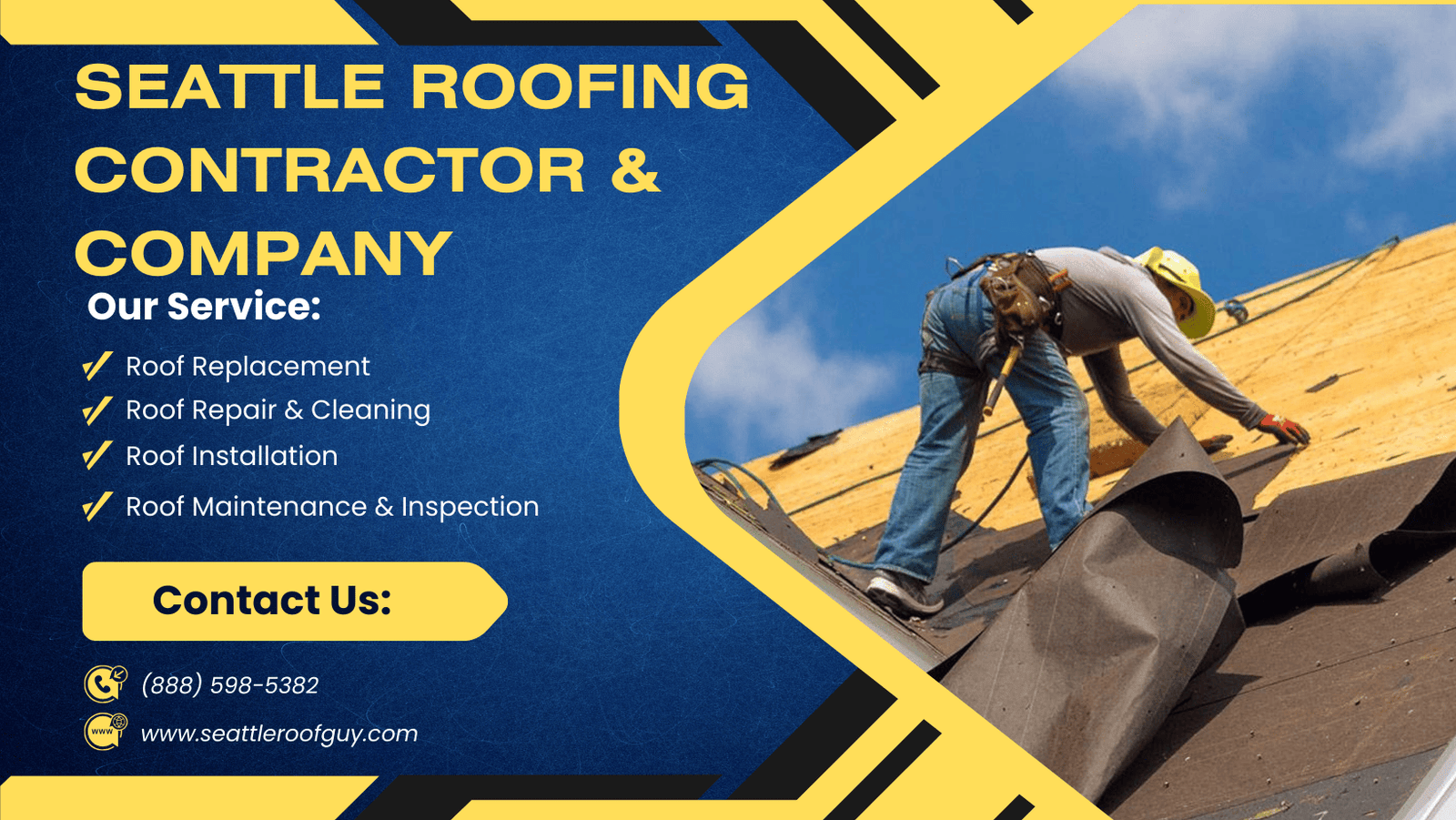
While many homeowners may attempt a visual inspection from the ground or even a quick climb onto the roof during favorable weather, these DIY efforts cannot replace the expertise of a trained roofing professional. Certified inspectors have the knowledge, experience, and specialized tools to identify issues that the untrained eye would miss. They can safely access all areas of your roof, including intricate flashing details around chimneys, vents, and skylights, which are common points of water intrusion. They understand the nuanced signs of material degradation and structural compromise. Moreover, a professional inspection report provides a detailed assessment of your roof’s condition, offering recommendations for necessary repairs or maintenance. This documentation can also be invaluable for insurance claims or when selling your home.
Preventative Maintenance: The Key to Longevity
The ultimate goal of regular roof inspections is preventative maintenance. By identifying and addressing minor issues early, homeowners can significantly extend the lifespan of their roof, avoid costly emergency repairs, and maintain the overall health and value of their property. A well-maintained roof not only protects your home but also contributes to its energy efficiency and curb appeal. In the context of Black Diamond’s unique climate, a diligent approach to roof care is not just a good idea; it’s a necessity for long-term peace of mind and financial prudence. Don’t wait for the telltale signs of a major problem. Be proactive, schedule those inspections, and ensure your Black Diamond home remains a safe and secure haven for years to come.
Frequently Asked Questions About Roof Inspections
How often should I have my roof inspected?
As a general guideline, most roofs benefit from an inspection every three to five years. However, if your roof is older or has experienced significant weather events, annual inspections are recommended.
What are the most common signs of a roof in need of inspection?
Visible signs include curling, cracking, or blistering shingles, missing shingles, and granule loss in gutters. Interior signs include water stains on ceilings and walls, mold or mildew growth, and sagging roof decking.
Is age the only factor determining when to inspect a roof?
No, while age is a significant factor, the type of roofing material, quality of installation, and exposure to weather conditions also influence the need for inspections.
Can I inspect my roof myself?
A basic visual inspection from the ground can reveal some obvious issues, but it cannot replace the thorough assessment by a professional roofing inspector who has the expertise and tools to identify subtle problems.
What should I do after a major storm?
It is advisable to schedule a roof inspection after any significant weather event, such as high winds, heavy rain, or hailstorms, even if you don’t notice obvious damage.
How much does a roof inspection typically cost?
The cost can vary depending on the roofing company and the complexity of the roof, but generally ranges from $100 to $300. Some companies offer free inspections.
What are the benefits of regular roof inspections?
Regular inspections help identify and address minor issues before they become major problems, prevent costly repairs, extend the lifespan of your roof, and maintain your home’s energy efficiency and value.
What does a professional roof inspector look for?
Inspectors check for shingle condition, granule loss, flashing integrity, gutter and downspout condition, signs of water damage, ventilation issues, and overall structural soundness of the roof system.
Schedule Repair Immediately
Ready to restore your roof’s protection? Dial (888) 598-5382 now for expert guidance. Prepare your ZIP code beforehand to connect with our closest service professionals efficiently.