Table of Contents
Navigating Imperfections The Installer’s Approach to Roof Decking Variations Near Hunts Point
The integrity of a new roof installation hinges significantly on the condition of the underlying roof decking. This foundational layer provides the structural support for shingles, membranes, and other roofing materials. However, older buildings, common in historic neighborhoods like Hunts Point in the Bronx, often present a unique challenge: variations in roof decking surface. These can range from minor imperfections like warps and unevenness to more significant issues such as rot, delamination, or missing sections. A skilled installer near Hunts Point understands that a one-size-fits-all approach is insufficient. Instead, they employ a meticulous process of assessment, preparation, and targeted repair to ensure a seamless and durable roofing system, even when faced with non-uniform decking.
The Crucial Initial Assessment
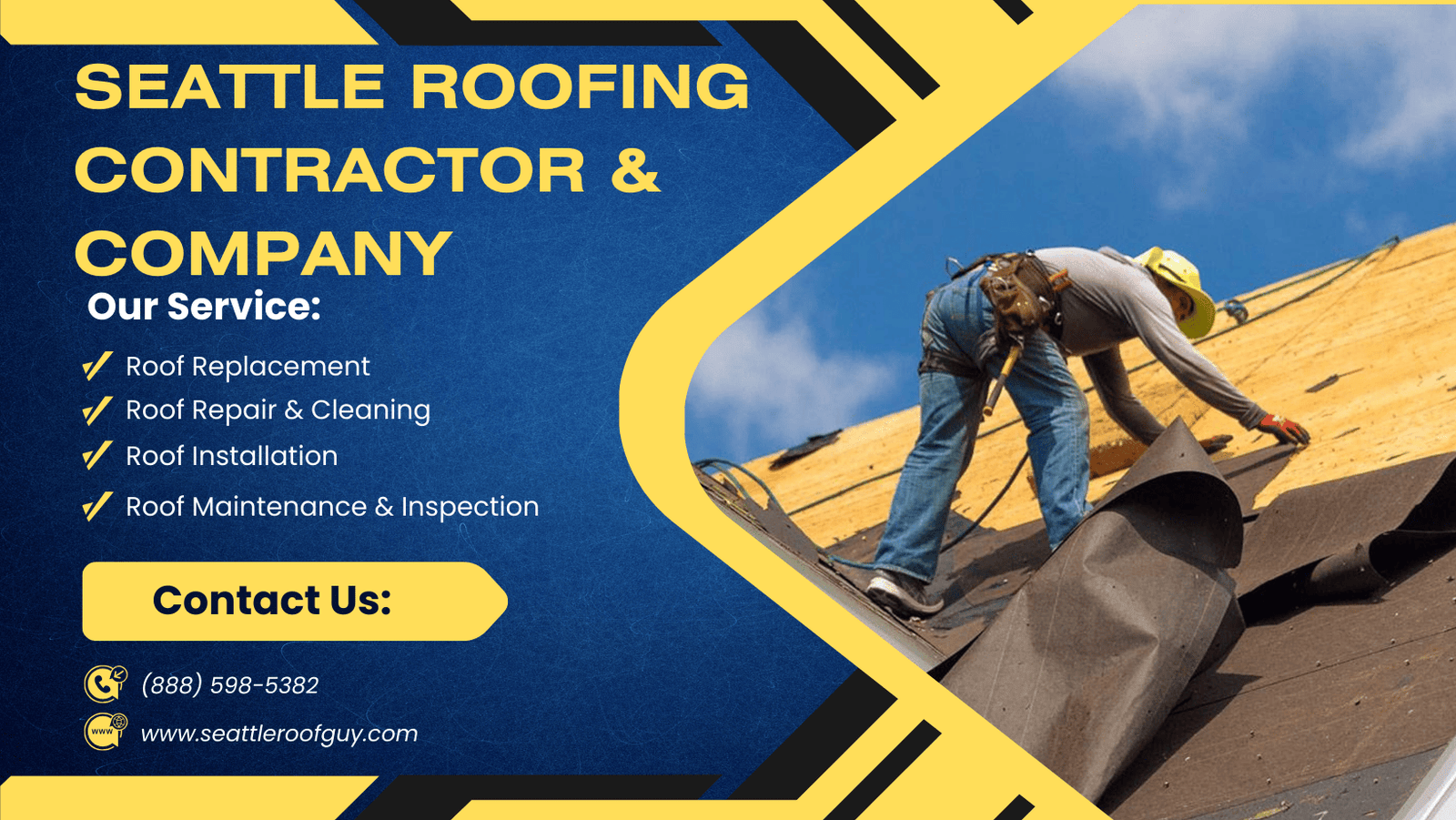
Before any new materials are brought to the roof, the most critical step is a thorough and comprehensive assessment of the existing roof decking. This isn’t a superficial glance; it involves a detailed inspection to identify any areas of weakness or inconsistency. Installers will typically begin by removing the old roofing material down to the decking itself. This allows for a clear view of the entire surface. They’ll look for signs of moisture damage, which can lead to rot and a compromised substructure. Cupping, curling, or delamination of plywood or OSB sheathing are also key indicators of underlying problems. In older structures, particularly those with plank decking, they’ll examine for loose boards, missing sections, or significant gaps. The installer’s experience is invaluable here, as they can often detect subtle signs of trouble that a less experienced eye might miss. This assessment phase is paramount; it dictates the subsequent steps and ultimately influences the longevity and performance of the new roof.
Addressing Minor Imperfections Surface Smoothing and Leveling
Once the assessment is complete, the installer can begin to address less severe variations. If the decking is generally sound but exhibits minor waviness, minor cupping, or small imperfections, the strategy often involves surface preparation. For plywood or OSB, this might include sanding down raised edges or high spots to create a more uniform plane. In cases of very slight undulation, a skim coat of a suitable patching compound designed for exterior use can be applied to fill minor dips and create a smoother surface. This preparation is essential for ensuring that the new roofing material lays flat and adheres properly. Any wrinkles or raised areas in the new material due to an uneven deck can become weak points susceptible to water intrusion and premature failure. The goal is to replicate, as closely as possible, a smooth, continuous surface, even if the original decking was not perfectly uniform.
Tackling Moderate Decking Issues Plywood and OSB Patching
When the decking exhibits more substantial, localized damage, such as delaminated sections of plywood or OSB, or areas where the material has softened due to moisture, a more involved repair strategy is employed. The installer will carefully cut away the damaged sections, ensuring they remove all compromised material. The cut-out should extend to the nearest structural support, such as a rafter or joist. New pieces of matching plywood or OSB, of the same thickness as the original decking, are then precisely cut to fit the void. These new sections are securely fastened to the underlying rafters or joists using appropriate screws or nails, ensuring they are flush with the surrounding sound decking. The use of exterior-grade materials is critical to prevent further moisture absorption and degradation. This patching process effectively rebuilds the integrity of the decking, creating a solid foundation for the new roofing system.
Dealing with Severe Damage Rot and Structural Repairs
In the most challenging scenarios, the installer may encounter significant rot or structural damage to the roof decking. This is particularly common in older homes where leaks may have gone undetected for extended periods. In such cases, the repair transcends simple patching and necessitates structural intervention. If rot has affected the rafters or joists themselves, these structural elements will need to be repaired or replaced. This might involve sistering joists (attaching a new joist alongside a damaged one) or excavating and replacing severely rotted sections. Once the underlying structural integrity is restored, the decking can be re-established. If an entire section of a roof deck needs replacement, installers will ensure adequate support is in place before installing new sheeting. This level of repair requires a deep understanding of structural mechanics and is a testament to the expertise of a seasoned roofing professional. Their ability to identify and address these underlying structural issues is as important as their knowledge of roofing materials.
The Role of Underlayment Bridging the Gap
Regardless of the condition of the roof decking after repairs, a high-quality underlayment is always a critical component of a new roofing system. Underlayment acts as a secondary barrier against water infiltration, providing an extra layer of protection between the decking and the final roofing material. For roofs with even minor decking imperfections, the underlayment plays a crucial role in bridging these small gaps and smoothing out any remaining subtle undulations. Modern synthetic underlayments, in particular, offer excellent strength and water resistance, and they conform well to the contours of the roof deck, providing a more uniform surface for shingle or membrane application. In areas prone to ice dams, self-adhering ice and water shield is often applied along eaves and in valleys, offering robust protection against water backing up under shingles. The underlayment acts as a valuable insurance policy, ensuring that minor decking variations do not compromise the overall watertightness of the roof.
Fastening Techniques Ensuring a Secure Bond
The method of fastening the new roofing materials is also adapted to varying decking surfaces. While standard nailing or screwing patterns are used on sound plywood or OSB, installers are mindful of the underlying support when dealing with patched or older decking. They will ensure that fasteners are adequately anchored into solid wood, whether it’s the original decking, a repaired section, or the underlying rafters. For plank decking, particular attention is paid to ensuring that nails or screws find solid wood and are driven flush, not overdriven, which could split the wood or create a low spot. In some cases, and depending on the type of roofing material, specialized adhesives may be used in conjunction with mechanical fasteners to enhance the bond to the deck, especially when a perfectly smooth surface cannot be achieved. The goal is to achieve a secure and uniform attachment of the new roofing material, preventing wind uplift and ensuring its long-term performance.
Conclusion A Foundation for Longevity
The installer near Hunts Point, much like their counterparts in any area with a mature building stock, understands that a perfect roof deck is a rare commodity. Their expertise lies not just in installing shingles or membranes, but in their ability to diagnose, prepare, and adapt to the realities of existing structures. By systematically assessing the decking, employing appropriate repair techniques for varying degrees of damage, and utilizing protective underlayments and secure fastening methods, they lay a solid foundation for a durable and long-lasting roof. This meticulous attention to the underlying surface is what truly distinguishes a professional installation and ensures that a new roof provides peace of mind and reliable protection for years to come, even when the sub-surface presents its own unique challenges.
Frequently Asked Questions
What is roof decking and why is its condition important?
Roof decking, also known as roof sheathing, is the structural layer of wood (typically plywood or OSB) that forms the base of your roof. It provides the surface to which shingles, membranes, and other roofing materials are attached. The condition of the decking is crucial because any imperfections, damage, or weakness in the decking can compromise the stability, integrity, and longevity of the entire roofing system. It must be sound and relatively uniform to ensure proper installation and prevent future issues like leaks.
What are common types of roof decking variations encountered in older neighborhoods?
In older neighborhoods like Hunts Point, common roof decking variations include rot caused by moisture, delamination of plywood or OSB, cupping or curling of boards, soft spots, missing sections, and unevenness due to settling or previous repairs. Older homes might also have plank decking, which can become loose, warped, or have significant gaps between boards.
How does an installer determine the extent of damage to the roof decking?
Installers determine the extent of damage through a thorough visual inspection after removing the old roofing materials. They will probe areas with a screwdriver or awl to check for softness and rot, look for signs of water staining, and assess the structural integrity of the decking by checking for sagging or looseness. They also examine the underlying rafters or joists for any signs of damage.
What is the process for repairing minor decking imperfections?
For minor imperfections like slight waviness or small raised edges, installers may sand down high spots to create a smoother surface. Minor dips or small holes can sometimes be filled with exterior-grade patching compounds. The goal is to create a more uniform plane for the underlayment and roofing materials to adhere to.
How are more significant damaged sections of plywood or OSB decking repaired?
When patches of plywood or OSB are damaged, installers will cut out the compromised sections, ensuring the cuts extend to a supporting rafter or joist. New pieces of matching decking material are then cut to fit the void and securely fastened to the underlying structure, ensuring they are flush with the surrounding sound decking.
What happens if the roofer finds rot in the roof decking or underlying structural components?
If rot is found in the roof decking or the structural components like rafters or joists, the repair is more extensive. Damaged sections of decking will be cut out and replaced. If rafters or joists are rotted, they will need to be repaired or replaced, which might involve sistering joists or replacing entire sections. This structural repair must be completed before new decking and roofing can be installed.
Does underlayment help compensate for minor decking variations?
Yes, a high-quality underlayment, especially modern synthetic varieties, plays a vital role in smoothing out minor undulations in the roof decking. It acts as a secondary water barrier and helps to create a more uniform surface, bridging small gaps and imperfections, thus protecting the integrity of the final roofing material.
How do fastening techniques change when installing roofing over repaired or uneven decking?
When installing over repaired or uneven decking, installers pay special attention to ensuring that fasteners securely engage with solid wood. This might involve using longer fasteners to reach supporting joists or rafters, or adjusting nailing patterns to avoid soft spots. The goal is to achieve a secure and uniform bond for the roofing materials, preventing wind uplift and potential dislodging.
Request Emergency Help
Ready to restore your roof’s protection? Dial (888) 598-5382 now for expert guidance. Prepare your ZIP code beforehand to connect with our closest service professionals efficiently.