Table of Contents
The Tangible Connection A New Roof Replacement and HVAC Efficiency in Sammamish Homes
For homeowners in Sammamish, Washington, a well-functioning HVAC system is not just a luxury; it’s a necessity. The Pacific Northwest climate, characterized by its cool, wet winters and mild, often humid summers, demands robust climate control. While most homeowners understand the importance of regular HVAC maintenance and potentially upgrading their heating and cooling units, a less obvious but equally significant factor often overlooked is the direct relationship between a new roof replacement and their HVAC efficiency. This article will delve into how a modern, well-installed roof can dramatically impact the performance and energy consumption of a home’s HVAC system in the unique environment of Sammamish.
Understanding the Roof’s Role in Climate Control
At its core, a roof serves as the primary thermal barrier for your home. It’s the first line of defense against external temperature fluctuations, precipitation, and solar radiation. In Sammamish, where consistent comfort is key, the attic space beneath the roof plays a crucial role. Heat naturally rises, and during colder months, a poorly insulated or old roof will allow precious heated air to escape. Conversely, during warmer periods, the sun’s rays can heat the attic space to extreme temperatures, which then radiates downwards into the living areas, forcing the air conditioning system to work harder to maintain a comfortable interior temperature. This constant battle between the interior and exterior climates places an undue burden on the HVAC system, leading to increased energy bills and premature wear and tear on the equipment.
The Impact of an Aging Roof on HVAC Performance
Over time, even the most durable roofing materials degrade. Shingles can crack, curl, or become brittle, creating small gaps that allow air infiltration. This is particularly problematic in Sammamish, where wind can drive rain and moisture into the attic. Furthermore, the underlayment and flashing beneath the shingles can deteriorate, compromising the roof’s seal. An aging roof often signifies a compromised attic insulation as well. Heat loss and gain through the attic are significant contributors to an inefficient HVAC system. Imagine trying to heat a home with a leaky sieve – essentially, that’s what an old, failing roof can do to your HVAC efforts. The HVAC system must continually run to compensate for the uncontrolled loss or gain of conditioned air, leading to higher energy consumption, increased utility bills, and a diminished lifespan for your HVAC components.
Benefits of a New Roof on HVAC Efficiency
A new roof replacement represents a comprehensive upgrade that directly benefits HVAC efficiency in several key ways. Firstly, a modern roofing system, when properly installed, provides superior insulation and weatherproofing. High-quality roofing materials are designed to reflect solar heat, reducing the radiant heat absorbed by the attic. This is especially advantageous in the summer months, lessening the workload on your air conditioner. Secondly, a new roof ensures a properly sealed and protected attic space. This prevents drafts and uncontrolled air leakage, keeping conditioned air inside where it belongs and preventing the ingress of outside air. When the attic is well-sealed, the HVAC system can operate much more efficiently, as it doesn’t have to continuously compensate for escaping or entering air.
Insulation Synergy A Roof Replacement and Attic Insulation
It is crucial to note that a roof replacement should ideally go hand-in-hand with an assessment and potential upgrade of attic insulation. While a new roof provides an excellent exterior barrier, effective attic insulation within the 2x4s or 2x6s of the attic floor is the primary internal insulator. By addressing both the roof and the insulation, homeowners in Sammamish can create a truly energy-efficient thermal envelope. A well-insulated attic, coupled with a properly sealed and reflective new roof, will significantly reduce the demand on your HVAC system. This means your furnace won’t have to work as hard during the cold Sammamish winters, and your air conditioner will have a much easier time during the warmer months. The cumulative effect is a more consistently comfortable home, lower energy bills, and a longer lifespan for your HVAC equipment.
Material Choices and Their HVAC Implications
The choice of roofing material for a Sammamish home can also influence HVAC efficiency. While asphalt shingles remain a popular and economical choice, advanced options offer enhanced performance. Certain asphalt shingles feature reflective granules that can significantly reduce heat absorption. For even greater efficiency, homeowners might consider metal roofing or cool roofing materials. Metal roofs, especially those with specialized coatings, are highly reflective and durable, contributing to a cooler attic. Cool roofing materials are specifically engineered to reflect more sunlight and absorb less heat than standard roofing materials. While the initial cost might be higher, the long-term savings in HVAC energy consumption and the extended lifespan of the roof can make these premium options a financially sound investment for Sammamish residents aiming for optimal energy efficiency.
The Long-Term Financial Advantages
Investing in a new roof replacement is a significant undertaking, but the financial benefits extend far beyond the aesthetics and structural integrity of the home. The enhanced HVAC efficiency directly translates into tangible savings on energy bills. By reducing the workload on your heating and cooling systems, you lower electricity and gas consumption. Furthermore, a more efficient HVAC system experiences less wear and tear, potentially delaying the need for costly repairs and replacements. This synergistic effect of a better-performing roof and a less strained HVAC system contributes to a lower overall cost of homeownership in the long run. For a Sammamish homeowner, this investment is not just about protecting their property from the elements; it’s about optimizing their home’s performance and achieving significant operational cost reductions.
Conclusion A Smarter Investment for Sammamish Homes
In conclusion, the relationship between a new roof replacement and HVAC efficiency in Sammamish homes is undeniable and profoundly impactful. A modern, well-installed roof acts as a crucial component of the home’s thermal envelope, working in concert with the HVAC system to maintain optimal indoor comfort and minimize energy waste. By understanding this connection and making informed decisions about roofing materials and potential attic insulation upgrades, Sammamish homeowners can achieve substantial savings on their energy bills, extend the lifespan of their HVAC systems, and most importantly, enjoy a more comfortable and sustainable living environment year-round. A new roof is not just a replacement; it’s a strategic investment in the overall efficiency and value of your Sammamish property.
Frequently Asked Questions About Roofing and HVAC Efficiency
Can a new roof really make a difference to my energy bills?
Yes, a new roof can significantly impact your energy bills. By providing better insulation, blocking radiant heat, and preventing air leaks, it reduces the workload on your HVAC system, leading to lower energy consumption.
How does attic insulation relate to my roof’s efficiency?
Attic insulation is the internal barrier that keeps conditioned air in your living spaces. A new roof provides the external barrier. When combined, they create a highly effective thermal envelope, preventing heat loss in winter and heat gain in summer, thereby maximizing HVAC efficiency.
Are some roofing materials better for HVAC efficiency than others?
Yes. “Cool roofing” materials, metal roofs, and certain reflective asphalt shingles are designed to reflect solar heat, keeping your attic cooler and reducing the strain on your air conditioning system. Traditional dark asphalt shingles absorb more heat.
How often should I consider replacing my roof for optimal HVAC performance?
While roof lifespan varies by material and climate, a typical asphalt shingle roof lasts 15-30 years. If your roof is showing signs of wear, it’s likely underperforming thermally, and a replacement would benefit your HVAC efficiency.
What are signs my current roof is negatively impacting my HVAC system?
Common signs include excessively high energy bills, uneven temperatures throughout the house, frequent HVAC cycling (turning on and off rapidly), and visible wear and tear on your roof, such as missing or damaged shingles.
Does a roof replacement affect my furnace efficiency as well as my air conditioning?
Absolutely. A well-sealed and insulated roof prevents heated air from escaping your home during the winter, making your furnace more efficient. Conversely, it prevents heat from entering during summer, making your air conditioner more efficient.
Should I get my attic insulation checked before or during a roof replacement?
It’s highly recommended to have your attic insulation assessed and potentially upgraded during a roof replacement. This is an opportune time to ensure both components are working optimally together for maximum energy efficiency.
What is the return on investment for a new roof in terms of energy savings?
The return on investment can be substantial. While upfront costs vary, the long-term savings on energy bills, potential reduction in HVAC repair costs, and increased home value contribute to a positive ROI over the lifespan of the roof.
Call for Roof Inspection Now
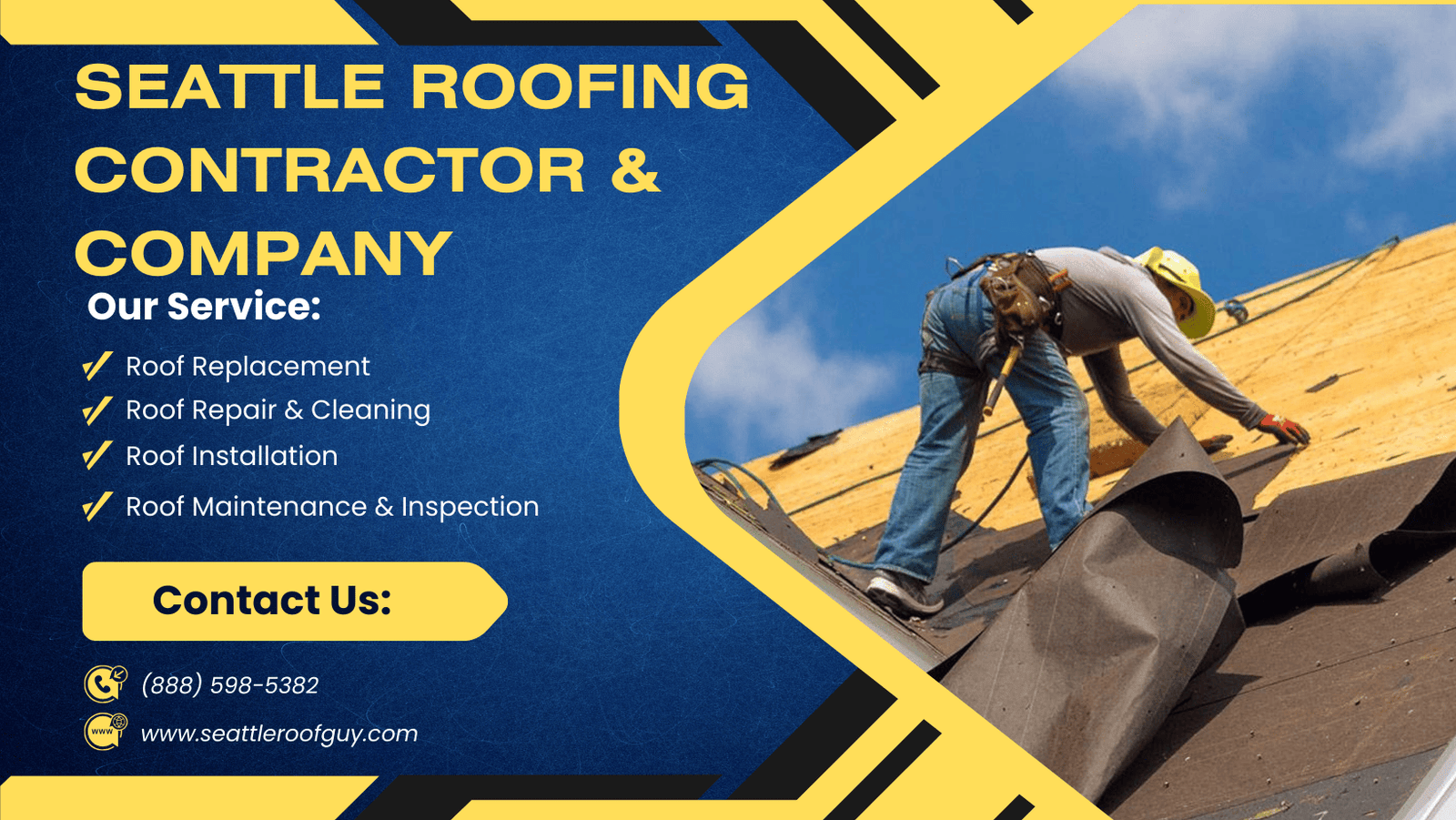
Ready to restore your roof’s protection? Dial (888) 598-5382 now for expert guidance. Prepare your ZIP code beforehand to connect with our closest service professionals efficiently.