Table of Contents
Understanding Structural Decking Inspection Beneath Shingles in Woodinville
The roof of a Woodinville home is more than just the shingles you see. Beneath that protective layer lies the structural decking, a critical component that forms the foundation of the entire roofing system. Regular inspection of this decking is paramount for ensuring the longevity and integrity of your roof, preventing costly repairs, and safeguarding your property from water damage. In Woodinville, with its varied weather patterns, including significant rainfall and occasional hail, understanding the process of inspecting structural decking beneath shingles is an essential part of homeownership and maintenance.
This article will delve into the detailed process of inspecting structural decking beneath shingles, outlining the purpose, methods, and potential issues encountered. We will explore how to identify signs of damage, the importance of professional assessment, and the preventative measures that can extend the life of your roof.
The Importance of Structural Decking
The structural decking, often made of plywood or oriented strand board (OSB), serves several vital functions. It acts as a stable base for the underlayment and shingles, distributing the weight of the roofing materials evenly across the rafters or trusses. Furthermore, it provides a crucial barrier against the elements, preventing moisture from reaching the interior of your home. When the decking is compromised, it can lead to a cascade of problems:
Water intrusion is the most immediate and severe consequence of damaged decking. Even small holes or rotted sections can allow rainwater to seep through, leading to mold growth, rot within the attic space, and damage to insulation, drywall, and structural framing. This water damage can be extensive and expensive to repair. Moreover, compromised decking can weaken the overall structural integrity of the roof, making it more susceptible to damage from wind, snow load, and even foot traffic during maintenance. In essence, a sound structural decking is the backbone of a healthy roof.
When to Inspect Structural Decking
There are several key times when a thorough inspection of the structural decking beneath your shingles is advisable. Proactive inspections are always best, and Woodinville homeowners should consider these triggers:
1. Routine Maintenance: It is recommended to have your roof inspected at least once every two to three years. This regular check-up can catch minor issues before they escalate.
2. After Severe Weather: Following significant weather events such as strong winds, heavy rain, or hail storms, a professional inspection is crucial to assess any potential damage to the roofing system, including the decking.
3. Signs of Roof Problems: If you notice any of the following, it’s time for an inspection: visible sagging in the roofline, water stains on interior ceilings or walls, damp spots in the attic, or premature shingle deterioration.
4. Before Purchasing a Home: For those buying a property in Woodinville, a comprehensive roof inspection, including the decking, is an indispensable part of the due diligence process. It can uncover hidden issues that might otherwise lead to unexpected expenses.
5. Upon Roof Replacement: Before installing new shingles, it is standard practice to inspect and, if necessary, replace damaged decking. This ensures the longevity of the new roofing system.
The Inspection Process
Inspecting structural decking beneath shingles typically involves a multi-faceted approach, combining visual assessments from both the exterior and interior, and, in some cases, direct physical examination. While a homeowner can perform some initial checks, a professional roofer possesses the expertise and tools to conduct a comprehensive evaluation.
Exterior Inspection
The exterior inspection begins with a visual scan of the roof’s surface. While this primarily focuses on the shingles, certain signs can indicate underlying decking issues:
Sagging: Look for any areas where the roofline appears uneven or dips. This is a strong indicator of compromised decking or even rafter issues.
Granule Loss: Excessive granule loss on shingles can signify that the shingles are old and have lost their protective qualities, potentially allowing moisture to reach the decking.
Damaged Shingles: Cracked, curled, or missing shingles create direct points of entry for water.
Flashing and Vents: Inspect the areas around chimneys, vents, skylights, and valleys. Compromised flashing or seals can allow water to penetrate the decking.
Interior Inspection
The attic is a critical area for assessing the condition of the structural decking. Accessing the attic during daylight hours is ideal to take advantage of natural light, though a flashlight is essential for thoroughness:
Water Stains and Discoloration: Look for any dark stains, water marks, or dampness on the underside of the decking boards. These are direct signs of leakage.
Mold and Mildew: The presence of mold or mildew indicates a persistent moisture problem, which can lead to significant rot.
Sagging or Warping: Observe the decking boards for any signs of sagging or warping. This suggests that the wood is stressed and potentially weakened.
Soft Spots: Gently probe the decking with your hand or a blunt object. Soft or spongy areas indicate rot or decay.
Ventilation Issues: Poor attic ventilation can trap moisture, exacerbating the potential for decking damage. Ensure that vents are not obstructed and that there is adequate airflow.
Physical Examination (When Necessary)
In cases where visual inspections reveal potential problems, or as part of a more in-depth assessment during roof replacement, a physical examination of the decking may be necessary. This often involves:
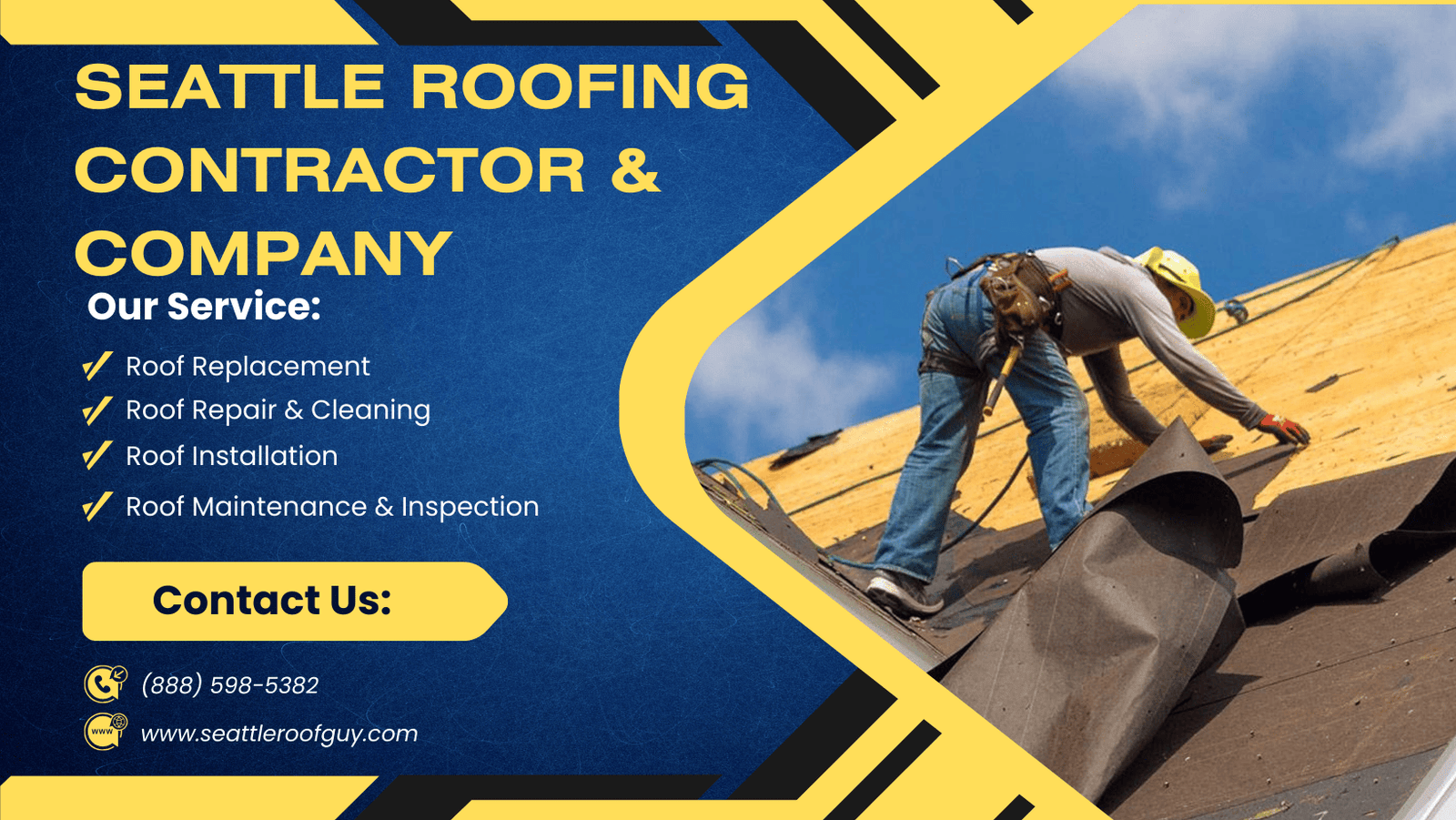
Removing Shingles and Underlayment: This allows for direct access to the decking material.
Probing for Rot and Softness: A roofing professional will use tools like a probe or awl to test the integrity of the wood throughout all sections of the decking.
Checking for Delamination (plywood) or Swelling (OSB): These are common signs of water damage that compromise the structural integrity of the boards.
Assessing the Condition of Fasteners: Nails and screws can loosen over time, especially if the wood around them is degrading.
Common Decking Issues in Woodinville
Woodinville’s climate presents specific challenges that can affect structural decking. Understanding these common issues is crucial for proactive maintenance:
Rot and Decay: Prolonged exposure to moisture, especially in shaded areas or where drainage is poor, can cause wood to rot. This is a prevalent issue in regions with significant rainfall.
Insect Damage: Termites and carpenter ants can infest wooden decking, weakening its structure from within. While not as visually apparent as rot, their presence can lead to significant damage.
Delamination of Plywood: Water seeping through poorly sealed shingles or flashing can penetrate the layers of plywood, causing them to separate and lose their strength.
Swelling and Warping of OSB: OSB is particularly susceptible to swelling when exposed to moisture, which can lead to buckling and a loss of structural integrity.
Improper Nailing: Insufficient or improperly placed nails can compromise the stability of the decking, making it more prone to movement and damage.
The Role of Professional Roofers
While homeowners can perform basic visual checks, a professional roofing contractor in Woodinville brings the essential expertise, experience, and equipment to conduct a thorough and accurate inspection of structural decking. They are trained to identify subtle signs of damage that might be missed by an untrained eye. Furthermore, they can:
Accurately diagnose the extent of any damage.
Recommend the most appropriate repair or replacement strategies.
Ensure that repairs are performed according to industry standards.
Provide documentation for insurance claims if necessary.
When selecting a roofer, it is advisable to choose one with a good reputation, relevant licenses and insurance, and positive customer reviews specific to the Woodinville area.
Preventative Measures
Proactive measures are key to preventing decking damage and extending the life of your roof:
Maintain Gutters and Downspouts: Clogged gutters can cause water to back up and seep under shingles, reaching the decking. Regularly clean and inspect your gutter system.
Ensure Proper Attic Ventilation: Adequate ventilation helps to regulate temperature and humidity in the attic, reducing the risk of moisture buildup and condensation on the decking.
Address Small Roof Issues Promptly: Don’t ignore minor shingle damage or flashing issues. Prompt repairs can prevent water from reaching the decking.
Consider High-Quality Underlayment: When replacing a roof, opt for a robust synthetic underlayment that offers superior moisture protection.
Conclusion
The structural decking beneath your shingles is a silent guardian of your Woodinville home. Its integrity is paramount to the overall health and longevity of your roof. By understanding the importance of this component, knowing when to inspect, and recognizing the common issues that can arise, homeowners can take proactive steps to protect their investment. Regular professional inspections and prompt attention to any signs of damage are the cornerstones of maintaining a secure and watertight roof, ensuring your home remains protected against the elements year after year.
Frequently Asked Questions
What is considered structural decking for a roof?
Structural decking refers to the layer beneath the shingles that provides a solid base for the roofing system. In Woodinville homes, this typically consists of plywood or oriented strand board (OSB) panels securely fastened to the rafters or trusses.
How can I tell if my roof decking is damaged without removing shingles?
You can often detect damage by looking for signs of sagging in the roofline from the exterior, or by inspecting the attic for water stains, mold, mildew, soft spots, or warping on the underside of the decking.
Is it safe to walk on my roof to inspect the decking?
Walking on a roof can be dangerous, especially if the decking is compromised and cannot support weight. It is generally recommended to leave roof inspections to qualified professionals who have the necessary safety equipment and expertise.
What is the most common cause of structural decking damage?
The most common cause of structural decking damage is water intrusion, often due to damaged shingles, deteriorated flashing, or clogged gutters, leading to rot and decay over time.
How often should structural decking be inspected in Woodinville?
It is advisable to have your structural decking inspected as part of a routine roof inspection, which should occur at least every two to three years, or immediately after severe weather events.
Can a roofer inspect the decking through the attic alone?
While an attic inspection is crucial, a comprehensive assessment may require a roofer to remove a small section of shingles and underlayment for a direct examination of the decking’s condition, especially if attic signs indicate potential problems.
What are the first signs of decking issues I might notice inside my home?
The first signs you might notice inside your home are water stains on your ceiling or walls, dampness in your attic, or the musty smell of mold or mildew.
If only a small section of decking is damaged, can it be repaired, or does the entire roof need replacing?
Typically, if only a small section of decking is damaged and caught early, it can be repaired by replacing the affected boards. Replacing the entire roof is usually only necessary if the damage is widespread or if the roof is nearing the end of its lifespan anyway.
Schedule Repair Immediately
Ready to restore your roof’s protection? Dial (888) 598-5382 now for expert guidance. Prepare your ZIP code beforehand to connect with our closest service professionals efficiently.