Table of Contents
Preparing Your Gig Harbor Home for Storm Season
As the Pacific Northwest gears up for another storm season, residents of Gig Harbor are increasingly focused on ensuring their homes are resilient against the high winds and heavy rainfall that are characteristic of this time of year. While the picturesque setting of Gig Harbor offers undeniable charm, it also exposes coastal communities to the full force of severe weather. Understanding and addressing the wind-resistance standards of your home is not just a matter of property maintenance; it’s a crucial step in safeguarding your family and your investment.
Understanding Wind-Resistance Standards
The concept of wind-resistance standards for homes primarily revolves around the ability of a structure to withstand predetermined wind speeds. These standards are typically dictated by building codes, which are established by local, state, and federal authorities. In regions prone to high winds, building codes often specify requirements for the structural integrity of roofs, walls, windows, doors, and the connections between these components. The goal is to prevent catastrophic failure where the entire structure could be compromised, leading to extensive damage or complete destruction.
In the United States, the International Residential Code (IRC) serves as a foundational model for most local building codes. The IRC, and thus local codes, often classify areas based on their wind speed zones. Gig Harbor, like many coastal areas, falls into zones requiring a higher level of wind resistance. This means that homes built or significantly renovated in recent years are more likely to meet current standards, as codes are periodically updated to reflect advancements in engineering and an understanding of weather patterns. However, older homes may not have been constructed to the same stringent requirements.
Key Areas of Wind Resistance in Your Home
Several critical components of your Gig Harbor home contribute to its overall wind resistance. Neglecting any one of these can create a vulnerability. The roof system is paramount. This includes the roofing material itself (shingles, metal, etc.), the underlayment, the decking (plywood or OSB), and importantly, how the roof is attached to the walls. Wind can get under loose shingles or even lift entire sections of the roof if the decking is not adequately secured or if the roof-to-wall connections are weak.
The exterior walls are another vital defense. Siding materials, while important for aesthetics and weatherproofing, are not the primary structural element. The strength of the walls comes from the framing (studs) and how they are braced and connected to the foundation and the roof structure. Proper nailing patterns, shear wall construction (using plywood or oriented strand board), and secure ties between wall studs and rafters or trusses are essential for resisting lateral forces from wind.
Windows and doors are often the most vulnerable points of entry for wind and debris. High winds can exert significant pressure on these openings, potentially shattering glass or forcing doors off their hinges. Modern building codes often require impact-resistant windows and doors in hurricane-prone areas, or at least shutters that can be securely deployed. Even if your home doesn’t have impact-resistant glass, ensuring that standard windows and doors are properly installed, sealed, and have strong locking mechanisms can make a difference.
The foundation and its connection to the rest of the house are the bedrock of wind resistance. A strong foundation anchors the entire structure, preventing it from being lifted or shifted by extreme winds. The connection between the sill plate (the lowest horizontal beam of the frame) and the foundation is critical, typically secured with anchor bolts. This connection must be robust enough to withstand the uplift forces generated by strong winds.
Assessing Your Home’s Wind Resistance
The first step in determining if your Gig Harbor home meets necessary wind-resistance standards is to understand when it was built or last significantly renovated. Homes built to current or recent codes are more likely to be compliant. For older homes, a professional assessment is highly recommended. A qualified building inspector, structural engineer, or a reputable contractor specializing in storm damage mitigation can conduct a thorough inspection.
During an inspection, professionals will examine the condition and type of your roofing materials, the integrity of the roof decking and its attachment to the walls, the framing of your walls and their connections, and the condition and installation of your windows and doors. They will also check the foundation and its anchoring system. This assessment will identify any areas of weakness, such as deteriorating seals, loose fasteners, inadequate bracing, or damaged materials.
Look for areas where connections might be weak. Are the soffits and eaves well-secured? Are gutters and downspouts firmly attached? While these might seem minor, they can be points where wind can gain entry and create significant damage. Also, consider the landscape around your home. Large trees, especially those near the house, can pose a significant falling hazard during high winds. Proper trimming and maintenance of trees can reduce this risk.
Upgrading Your Home for Enhanced Wind Resistance
If your assessment reveals that your Gig Harbor home falls short of current wind-resistance standards, several upgrades can significantly enhance its resilience. Reinforcing roof-to-wall connections is often a high-priority improvement. This can involve installing hurricane clips or straps, which are metal connectors that provide a more robust link between the rafters or trusses and the wall framing. Ensuring the roof decking is properly nailed or screwed to the rafters is also crucial.
Upgrading windows and doors is another effective measure. If full impact-resistant replacements are not feasible, consider installing storm shutters. These can be made of metal, polycarbonate, or wood and are designed to be securely fastened over windows and doors before a storm. Even simple improvements like reinforcing door hinges and locking mechanisms can offer a degree of protection.
Addressing the vulnerability of your garage door is also important. Garage doors are large, relatively weak points in a home’s structure and are often the first to fail in high winds. Reinforcing your garage door with a bracing kit can significantly improve its ability to withstand wind pressure.
Coastal areas like Gig Harbor are also susceptible to wind-driven rain and potential flooding. Ensuring your home’s weatherproofing is up to par, with proper sealing around all openings and a well-maintained drainage system around your foundation, is vital. Consider grading your yard to direct water away from the house.
The Long-Term Benefits of Wind Preparedness
Investing in your home’s wind resistance is not just about preparing for an immediate threat; it’s about long-term value and peace of mind. A home that is well-prepared for storms is less likely to suffer extensive damage, reducing costly repairs and the potential for prolonged disruption of daily life. Furthermore, many insurance providers offer discounts for homes that meet certain wind-resistance standards or have undergone specific upgrades. This can lead to savings on your homeowner’s insurance premiums.
Ultimately, taking proactive steps now to assess and potentially upgrade your Gig Harbor home’s wind resistance will provide a higher level of safety for your family and greater security for your property, allowing you to face the upcoming storm season with greater confidence.
Frequently Asked Questions about Gig Harbor Home Wind Resistance
What are the typical wind speed zones for Gig Harbor?
Gig Harbor, being a coastal area in the Pacific Northwest, generally falls into wind speed zones that require a moderate to high level of wind resistance according to building codes. Specific zones can vary slightly depending on the exact location and the adopted building code, but it’s advisable to assume a need for robust protection.
How can I find out when my home was built?
You can usually find the construction date of your home through property records at the Pierce County Assessor-Treasurer’s office. Your deed, property tax statements, or local building permit history may also contain this information.
Are there any government rebates or incentives for wind-resistant upgrades?
While specific federal or state incentives for general wind-resistance upgrades can be uncommon, local jurisdictions or utility companies might occasionally offer programs related to energy efficiency or storm preparedness that could indirectly assist. It’s worth checking with the City of Gig Harbor and local emergency management agencies.
What is the difference between impact-resistant windows and storm shutters?
Impact-resistant windows are designed to withstand the force of wind and debris without breaking. Storm shutters are external coverings that are installed and secured over windows and doors before a storm to protect them from impact and wind pressure. One is a permanent fixture, the other a temporary protective measure.
How much does it typically cost to upgrade my home’s wind resistance?
The cost varies significantly depending on the scope of work. Minor upgrades like reinforcing a garage door might cost a few hundred dollars, while reinforcing roof-to-wall connections or replacing all windows with impact-resistant versions can run into thousands or tens of thousands of dollars.
Can I do wind-resistance upgrades myself, or should I hire a professional?
While some minor tasks might be DIY-friendly, most structural wind-resistance upgrades, such as reinforcing roof-to-wall connections or structural bracing, are best left to qualified and licensed professionals to ensure they are done correctly and meet code requirements.
How often should I have my home inspected for wind-resistance issues?
It’s advisable to have a professional inspection, especially for older homes or after experiencing significant weather events. A general rule of thumb is to have a thorough inspection every 5-10 years, or more frequently if you notice any signs of wear or damage.
What is the role of my homeowner’s insurance in wind damage?
Homeowner’s insurance typically covers damage caused by windstorms, but policies can have specific deductibles for wind and hail. Maintaining your home to meet current standards might lead to lower premiums and ensures that you are adequately covered in the event of a claim.
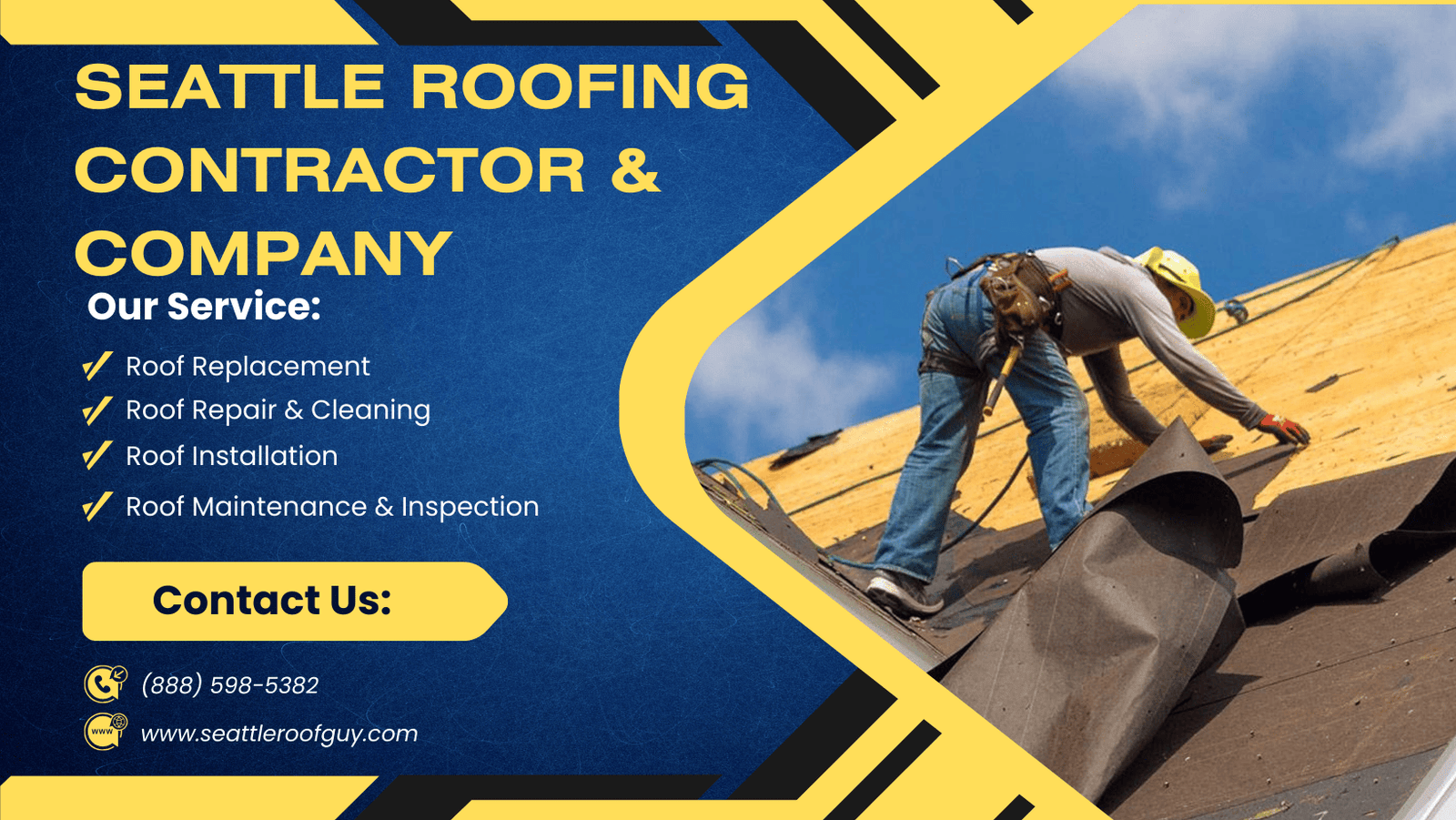
Upgrade Your Roof Fast
Ready to restore your roof’s protection? Dial (888) 598-5382 now for expert guidance. Prepare your ZIP code beforehand to connect with our closest service professionals efficiently.