Table of Contents
Introduction
The picturesque community of DuPont, Washington, like many areas in the Pacific Northwest, is no stranger to the impact of severe weather. From torrential rain and high winds to occasional snowfall and ice accumulation, storms can pose significant threats to the structural integrity of buildings. In response to these challenges, building codes serve as a foundational framework, dictating not only how structures are built but also how they are repaired after sustaining storm damage. This article delves into the intricate relationship between building codes and technical storm repair approaches in DuPont, exploring how these regulations shape the methods, materials, and ultimate outcomes of post-storm construction and restoration.
The Foundation Building Codes Provide
Building codes are not merely a set of rules; they are a dynamic system of standards designed to protect public health, safety, and general welfare. In the context of storm repair, these codes are paramount. They establish minimum requirements for structural stability, resistance to environmental forces, and the use of appropriate materials. For a community like DuPont, which may experience specific types of weather events, the codes are often tailored to address these local vulnerabilities. This means that a repair that might be acceptable in a region prone to earthquakes might not meet the stringent wind-load requirements necessary for a building in a more exposed area of DuPont.
Understanding Localized Storm Threats in DuPont
While the Pacific Northwest generally experiences a temperate climate, DuPont is not immune to periods of intense weather. Prevailing winds, particularly during fall and winter, can exert significant force on roofing, siding, and even window and door systems. Heavy rainfall, while common, can also lead to compromised drainage and potential structural issues if not properly managed. Understanding these localized threats – the specific wind speeds experienced, the typical duration of storms, and the potential for water intrusion – is crucial for effective storm repair. Building codes operational in DuPont reflect this understanding, setting forth specific performance standards that repair professionals must adhere to.
The Role of Building Codes in Repair Decision Making
When a building suffers storm damage, the repair process is not a free-for-all. Building codes act as a crucial guide, influencing every decision from the initial assessment of damage to the final finishing touches. For instance, if a roof has been damaged by high winds, the code will specify the type and number of fasteners required to reattach roofing materials, ensuring they can withstand future wind events. Similarly, if a window has been compromised, the code might mandate the use of impact-resistant glass or specific sealing techniques to prevent water infiltration, especially important in a region with frequent precipitation.
Specific Code Provisions Impacting Storm Repair
Several key areas of building codes directly impact technical storm repair approaches. These often include:
- Structural Integrity Codes define the load-bearing capacities of building components and specify how repairs must restore this capacity. This might involve reinforcing damaged framing, strengthening connections, or replacing compromised structural elements with materials that meet or exceed original specifications.
- Wind Resistance For areas prone to high winds, codes dictate requirements for roofing systems, siding, soffits, and attachments to resist uplift and lateral forces. Repairs must ensure that these elements are securely fastened and can withstand the design wind speeds for the region.
- Water Intrusion Prevention Codes address the prevention of water damage, particularly relevant in rainy climates. This includes requirements for flashing, sealing, drainage systems, and the performance standards for windows and doors. Repairing a storm-damaged wall, for example, will likely involve meticulous attention to detailing and the use of appropriate waterproofing membranes.
- Material Standards Building codes specify the types of materials that can be used in construction and repair. This ensures that replacement components are of adequate quality and performance. For instance, if shingles are damaged, codes will often reference approved roofing underlayments and the correct installation methods for new shingles to ensure long-term durability.
- Energy Efficiency While not strictly a storm repair provision, modern building codes often incorporate energy efficiency standards. This means that even when repairing storm damage, builders may be required to incorporate enhanced insulation or weatherization techniques, contributing to a more resilient and sustainable building in the long run.
The Process of Code Compliance in DuPont Storm Repairs
Ensuring compliance with building codes during storm repair is a multi-faceted process involving property owners, contractors, and local building officials. Typically, after damage occurs, a thorough assessment is conducted, often by a qualified contractor or engineer. This assessment identifies the extent of the damage and the necessary repairs. Following this, a permit application is usually submitted to the local building department, outlining the proposed repair methods and materials. During the repair process, inspections are often scheduled at various stages to verify that the work is being performed in accordance with the approved plans and code requirements. Finally, a certificado de ocupación or a final inspection signifies that the repairs have been completed to code, allowing the building to be safely reoccupied.
Challenges and Innovations in Code-Driven Repair
While building codes provide essential safeguards, their application in storm repair can present challenges. The complexity of some codes can be daunting for homeowners, and ensuring strict adherence can add to the cost and timeline of repairs. Furthermore, the dynamic nature of weather patterns means that codes must be continually reviewed and updated. Innovations in building materials and techniques, such as advanced fastening systems or improved waterproofing membranes, are often developed to meet or exceed code requirements, leading to more resilient structures. The industry is constantly seeking ways to implement these innovations efficiently within the existing regulatory framework.
The Economic Impact of Code Compliance on Storm Repair
Building code compliance inherently influences the economic landscape of storm repair. Adhering to these standards often translates to higher quality materials and more thorough labor, which can increase the upfront cost of repairs. However, this investment pays dividends in the long term by reducing the likelihood of future damage and costly recurring repairs. For property owners in DuPont, understanding the value proposition of code-compliant repairs is essential. Insurance policies often play a role here, with many requiring repairs to be made to current code standards to provide full coverage. This incentivizes compliance and underscores the importance of these regulations in protecting property investments.
Looking Ahead Building Resilient Communities
The ongoing evolution of building codes, coupled with technological advancements, continues to shape the future of storm repair in communities like DuPont. As climate science provides a clearer picture of potential future weather patterns, codes are likely to become even more stringent in demanding resilience. The focus will increasingly be on building not just to withstand immediate threats but to create structures that can adapt to changing environmental conditions. This proactive approach, guided by robust building codes, is fundamental to fostering truly resilient communities that can weather the storms of the present and the future.
Conclusion
In DuPont, building codes are far more than just bureaucratic mandates; they are the bedrock upon which safe and effective storm repair strategies are built. They provide a universal language for constructing and repairing buildings, ensuring that professional approaches to damage mitigation meet stringent standards designed to protect lives and property. By understanding and diligently adhering to these codes, property owners, contractors, and local authorities collaborate to not only restore buildings to their pre-storm condition but to enhance their resilience, safeguarding the community against the unpredictable forces of nature.
Frequently Asked Questions
What is the primary purpose of building codes in storm repair?
The primary purpose of building codes in storm repair is to ensure that repairs restore a building’s structural integrity and safety to at least the minimum standards required for new construction, protecting occupants from future hazards.
How do building codes address wind damage specifically in DuPont?
Building codes address wind damage by specifying requirements for the strength and attachment of roofing, siding, windows, and doors to resist uplift and lateral forces, with standards often tailored to the prevailing wind speeds and storm patterns experienced in the DuPont area.
Are there specific code requirements for repairing roofs damaged by storms?
Yes, codes will specify requirements for roof framing, sheathing, underlayment, and the type and fastening of roofing materials themselves to ensure they can withstand the designed wind loads and prevent water intrusion after storm damage.
What is the role of permits in storm repair according to building codes?
Building codes generally require permits for storm repairs to allow local building officials to review proposed repair plans, inspect the work during execution, and ensure compliance with all applicable standards before the repairs are completed.
Do building codes mandate the use of specific materials for storm repairs?
Building codes often specify approved materials and minimum performance standards for materials used in repairs, ensuring that replacement components are compatible with existing structures and meet safety and durability requirements.
How does water intrusion prevention factor into storm repair codes?
Codes include detailed requirements for flashing, sealing, drainage systems, and the performance of windows and doors to prevent water intrusion, which is critical in storm-prone areas to avoid secondary damage like mold and structural rot.
What happens if storm repairs are not performed to code?
Repairs not performed to code can lead to safety hazards, the denial of insurance claims, difficulties in selling the property, failed inspections, and potential orders from building officials to correct the non-compliant work, often at additional expense.
How often are building codes updated to reflect new storm risks?
Building codes are typically updated on a regular cycle, often every three to five years, to incorporate advancements in construction techniques, new materials, and updated scientific understanding of local risks, including evolving storm patterns.
Get Expert Advice Today
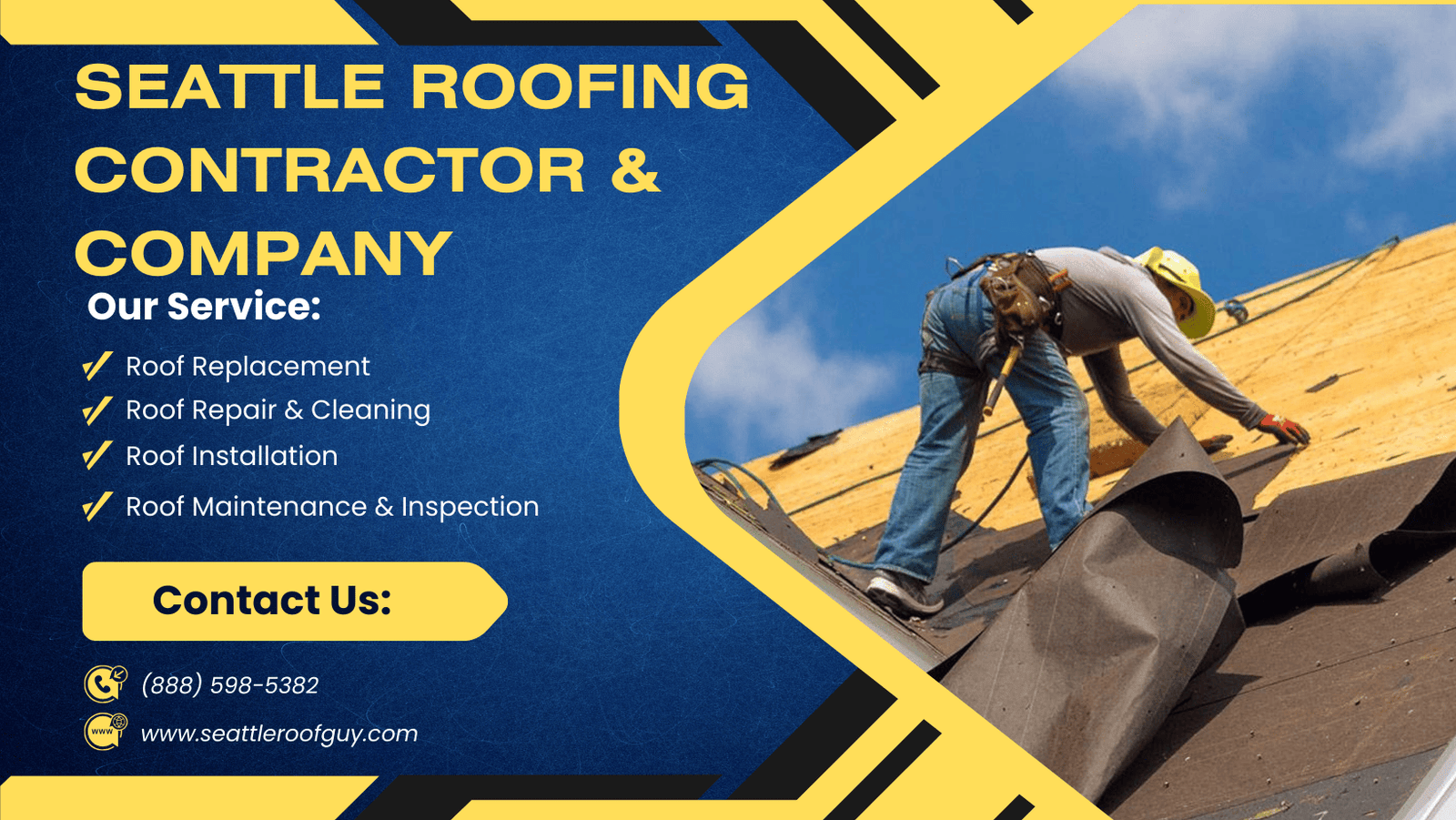
Ready to restore your roof’s protection? Dial (888) 598-5382 now for expert guidance. Prepare your ZIP code beforehand to connect with our closest service professionals efficiently.